Crude Oil Supply Concerns Increase as Middle East Tensions Disrupt Production Outlook
MarketAlleys Desk
Published · 2 min read
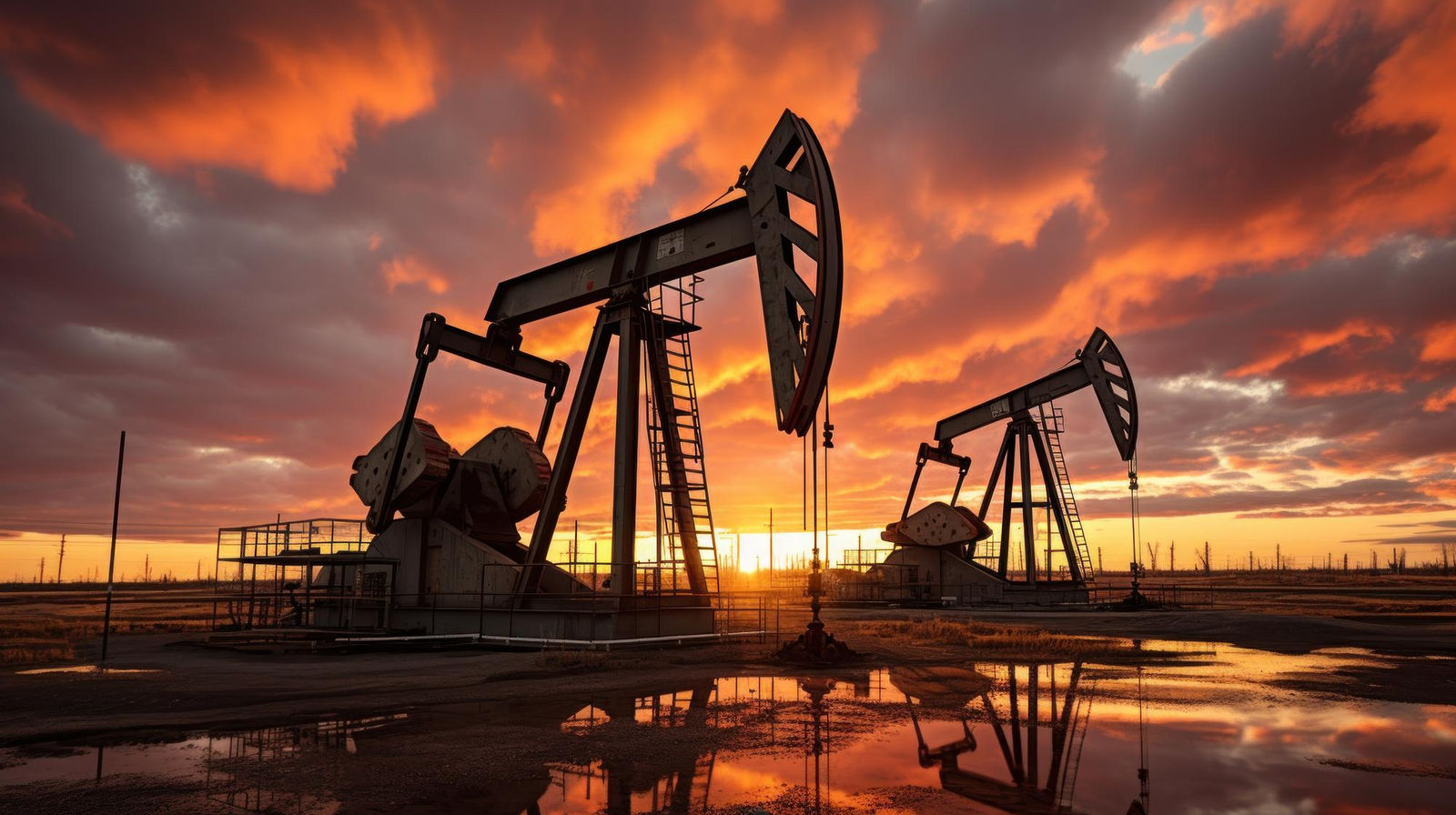
Crude oil markets are facing renewed pressure as rising geopolitical tensions in the Middle East begin to influence supply expectations. The region remains a critical hub for global energy production, and any disruption to output or transportation routes can quickly impact market sentiment.
Recent developments have heightened concerns around production stability, with traders closely monitoring the potential for supply interruptions. Even without confirmed disruptions, the risk alone is enough to influence pricing dynamics as markets adjust to the possibility of tighter availability.
Supply side uncertainty is one of the most significant drivers in the oil market. When production outlook becomes less predictable, participants tend to factor in risk premiums. This behavior reflects the importance of stable output in maintaining balance between supply and demand across global markets.
Another key factor is the role of major producing nations within the region. Decisions related to production levels, coordination, and strategic responses to geopolitical events can shape expectations quickly. These developments are often interpreted as signals of how supply conditions may evolve in the near term.
Demand conditions also interact with supply concerns, amplifying market reactions. As global energy consumption remains steady, any perceived constraint on supply can lead to heightened sensitivity among traders. This dynamic reinforces volatility, as markets respond to both real and anticipated changes.
Transportation routes add another layer of complexity. Key shipping channels within the region are essential for the movement of crude oil to global markets. Any disruption to these routes can create bottlenecks, further intensifying concerns around availability and delivery timelines.
Investor sentiment is closely tied to these developments. As uncertainty increases, market participants adjust their positioning to reflect potential shifts in supply conditions. This often leads to stronger price reactions, even in the absence of immediate changes to production levels.
Despite the current pressures, the situation remains fluid. Geopolitical conditions can evolve rapidly, and market responses are often driven by both confirmed events and emerging risks. This creates an environment where expectations play a central role in shaping outcomes.
The ongoing tension in the Middle East highlights the sensitivity of crude oil markets to geopolitical developments. As long as uncertainty around supply persists, the market is likely to remain influenced by risk perception and evolving regional dynamics.
Terms in this article
Volatility
The size and speed of price changes, commonly measured as the annualised standard deviation of returns.
Price-to-earnings ratio (P/E)
Share price divided by earnings per share.
Ask about this story
Questions are answered only from this article and the sources it cites.
MarketAlleys provides news and analysis for information only; it is not investment advice or a recommendation to buy or sell any security. Markets involve risk. Risk disclaimer.
Was this useful?
Report an issue with this article
Get the Daily Brief
What moved, why, and what matters next — every morning.
Related coverage

Platinum After The Industrial Metals Bid And The Crude Fade
Platinum is not trading a slogan about jewelry. It is trading a metal that finally caught a bid while crude printed a sixth down session. Copper already had its tightness story. Gold and silver already had their yield stories.
MarketAlleys Desk · · 2 min read

Brent After The Yanbu Loadings Halt And Cancelled European Cargoes
Brent is not trading a slogan about the Gulf. It is trading a Red Sea hub that stopped lifting barrels and a set of European cargoes that Riyadh cancelled.
MarketAlleys Desk · · 2 min read

Iron Ore After China Industrial Production And Retail Sales Prints
Iron ore is not trading a slogan about China growth. It is trading two official prints that landed into a Federal Reserve week. Industrial production and retail sales are the demand tape for the steel chain.
MarketAlleys Desk · · 2 min read

US Diesel After The Saudi East West Pipeline Shutdown And A Record Pump Print
Diesel is not trading as a quieter cousin of crude. It is trading the product that households and truckers actually buy. A Saudi shutdown of the East West line took an alternative route off the map after attacks.
MarketAlleys Desk · · 2 min read