How crude oil is reacting to geopolitical tensions and ongoing supply risks in key production regions
MarketAlleys Desk
Published · 2 min read
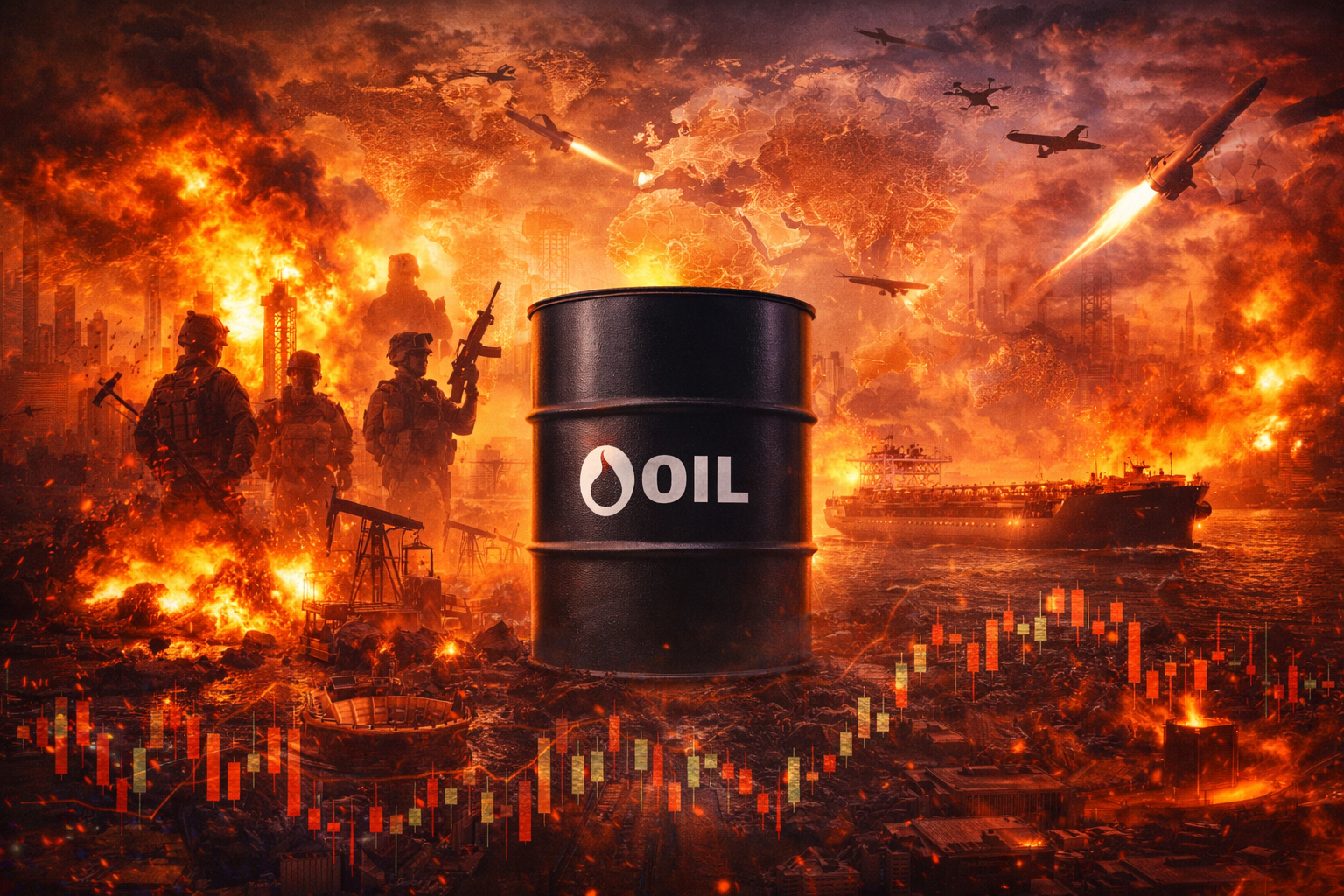
Crude oil is once again at the center of market attention as geopolitical tensions and persistent supply risks continue to influence sentiment across the energy sector. As one of the most important global commodities, oil reflects both economic demand and the stability of key production regions, making it highly sensitive to geopolitical developments.
Supply uncertainty remains a dominant factor. Many of the world’s major oil producing regions are exposed to geopolitical risks, including conflicts, policy changes, and disruptions to infrastructure. Even the perception of potential instability can affect expectations, leading to shifts in market positioning and increased volatility.
These risks are amplified by the importance of consistent supply flows. Oil markets rely on a delicate balance between production and demand, and any disruption can quickly alter that balance. When supply concerns intensify, markets often react by adjusting expectations, which can influence sentiment and behavior across the energy sector.
At the same time, geopolitical tensions are adding complexity to the outlook. Developments involving major producing nations can influence not only supply levels but also broader market confidence. Changes in alliances, policy decisions, or trade relationships can all contribute to uncertainty, making it more difficult for market participants to anticipate future conditions.
Demand dynamics also play a role in shaping oil’s direction. While supply risks are a key focus, expectations around global economic activity influence how much oil is needed. Stronger growth can support demand, while signs of slowdown may offset some of the upward pressure created by supply concerns.
Investor sentiment reflects this balance between risk and demand. Market participants are constantly evaluating how geopolitical developments interact with economic conditions. This leads to a market that can shift quickly, as new information influences expectations and positioning.
Energy policy is another important consideration. Governments and organizations involved in oil production often play a role in managing supply levels. Decisions related to output, strategic reserves, and regulatory frameworks can influence market dynamics, adding another layer of complexity.
Global financial conditions also contribute to the environment. Changes in risk appetite, currency movements, and capital flows can affect how investors approach commodities, including oil. This interconnectedness means that oil does not operate in isolation but is part of a broader financial system.
Looking ahead, crude oil will remain closely tied to geopolitical developments and supply stability. If tensions persist or escalate, supply concerns may continue to drive market behavior. Conversely, any signs of stability could ease pressure and shift sentiment. In this environment, oil continues to reflect the intersection of global politics, economic activity, and energy demand.
Terms in this article
Volatility
The size and speed of price changes, commonly measured as the annualised standard deviation of returns.
Ask about this story
Questions are answered only from this article and the sources it cites.
MarketAlleys provides news and analysis for information only; it is not investment advice or a recommendation to buy or sell any security. Markets involve risk. Risk disclaimer.
Was this useful?
Report an issue with this article
Get the Daily Brief
What moved, why, and what matters next — every morning.
Related coverage

Platinum After The Industrial Metals Bid And The Crude Fade
Platinum is not trading a slogan about jewelry. It is trading a metal that finally caught a bid while crude printed a sixth down session. Copper already had its tightness story. Gold and silver already had their yield stories.
MarketAlleys Desk · · 2 min read

Brent After The Yanbu Loadings Halt And Cancelled European Cargoes
Brent is not trading a slogan about the Gulf. It is trading a Red Sea hub that stopped lifting barrels and a set of European cargoes that Riyadh cancelled.
MarketAlleys Desk · · 2 min read

Iron Ore After China Industrial Production And Retail Sales Prints
Iron ore is not trading a slogan about China growth. It is trading two official prints that landed into a Federal Reserve week. Industrial production and retail sales are the demand tape for the steel chain.
MarketAlleys Desk · · 2 min read
US Diesel After The Saudi East West Pipeline Shutdown And A Record Pump Print
Diesel is not trading as a quieter cousin of crude. It is trading the product that households and truckers actually buy. A Saudi shutdown of the East West line took an alternative route off the map after attacks.
MarketAlleys Desk · · 2 min read