Oil Market Reverses Sharply as Ceasefire Removes Supply Disruption Fears
MarketAlleys Desk
Published · 2 min read
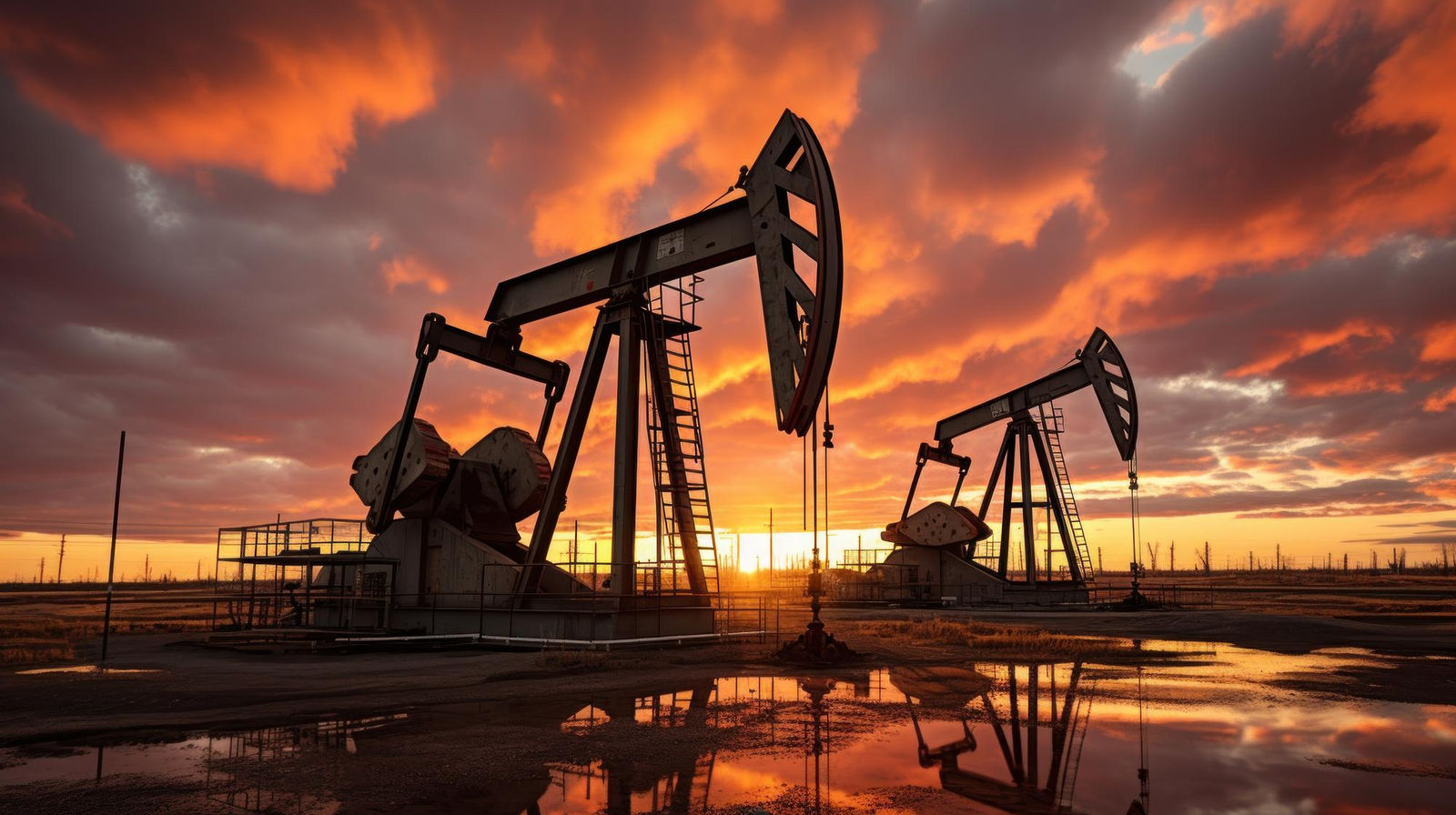
The global oil market experienced a sudden shift in direction following the announcement of a ceasefire between the United States and Iran, as traders moved quickly to reassess the risk of supply disruption in the Middle East. The development removed a key layer of geopolitical uncertainty that had been supporting elevated oil prices and tightening market expectations.
In the days leading up to the ceasefire, concerns over potential conflict escalation had driven a strong risk premium into crude markets. The Strait of Hormuz, a critical artery for global oil shipments, became a focal point for traders who feared that any disruption could significantly constrain supply. As a result, prices had been supported by precautionary positioning and heightened demand for energy security.
The ceasefire dramatically altered that outlook. With tensions easing, the perceived likelihood of supply interruptions declined, prompting a rapid unwinding of risk driven positions. Traders who had previously priced in worst case scenarios began to exit those positions, leading to a sharp downward adjustment in market expectations.
This reaction highlights the sensitivity of oil markets to geopolitical developments. Unlike many other asset classes, crude oil is directly tied to physical supply chains that can be disrupted by conflict. Even the possibility of disruption can lead to significant price movements, as market participants seek to anticipate and hedge against potential shortages.
Beyond immediate supply concerns, the ceasefire also influenced broader macroeconomic expectations. Lower oil prices tend to ease inflationary pressures, which in turn can affect central bank policy outlooks. As energy costs decline, the need for aggressive monetary tightening may diminish, creating a more supportive environment for global economic activity.
At the same time, the shift in oil prices reflects a change in market sentiment from fear to cautious optimism. Investors are beginning to price in a more stable geopolitical environment, at least in the near term. This has reduced the urgency for defensive positioning and encouraged a more balanced approach to risk across asset classes.
However, the situation remains fluid. Oil markets are likely to remain highly responsive to any new developments related to the ceasefire. A breakdown in negotiations or renewed tensions could quickly reintroduce volatility and restore the risk premium that has recently been removed.
Overall, the ceasefire has acted as a catalyst for a significant reset in the oil market. By easing fears of supply disruption, it has removed a major source of upward pressure and reinforced the role of geopolitics as a dominant force in shaping energy market dynamics.
Terms in this article
Price-to-earnings ratio (P/E)
Share price divided by earnings per share.
Central bank
The institution that sets a country's or region's monetary policy, issues its currency and oversees the banking system — for example the Federal Reserve, European Central Bank, Bank of England and Bank of Japan.
Volatility
The size and speed of price changes, commonly measured as the annualised standard deviation of returns.
Ask about this story
Questions are answered only from this article and the sources it cites.
MarketAlleys provides news and analysis for information only; it is not investment advice or a recommendation to buy or sell any security. Markets involve risk. Risk disclaimer.
Was this useful?
Report an issue with this article
Get the Daily Brief
What moved, why, and what matters next — every morning.
Related coverage

Platinum After The Industrial Metals Bid And The Crude Fade
Platinum is not trading a slogan about jewelry. It is trading a metal that finally caught a bid while crude printed a sixth down session. Copper already had its tightness story. Gold and silver already had their yield stories.
MarketAlleys Desk · · 2 min read

Brent After The Yanbu Loadings Halt And Cancelled European Cargoes
Brent is not trading a slogan about the Gulf. It is trading a Red Sea hub that stopped lifting barrels and a set of European cargoes that Riyadh cancelled.
MarketAlleys Desk · · 2 min read

Iron Ore After China Industrial Production And Retail Sales Prints
Iron ore is not trading a slogan about China growth. It is trading two official prints that landed into a Federal Reserve week. Industrial production and retail sales are the demand tape for the steel chain.
MarketAlleys Desk · · 2 min read

US Diesel After The Saudi East West Pipeline Shutdown And A Record Pump Print
Diesel is not trading as a quieter cousin of crude. It is trading the product that households and truckers actually buy. A Saudi shutdown of the East West line took an alternative route off the map after attacks.
MarketAlleys Desk · · 2 min read