Oil steadies as Iran protest crackdown reduces immediate supply disruption risk, pulling volatility out of crude
MarketAlleys Desk
Published · 2 min read
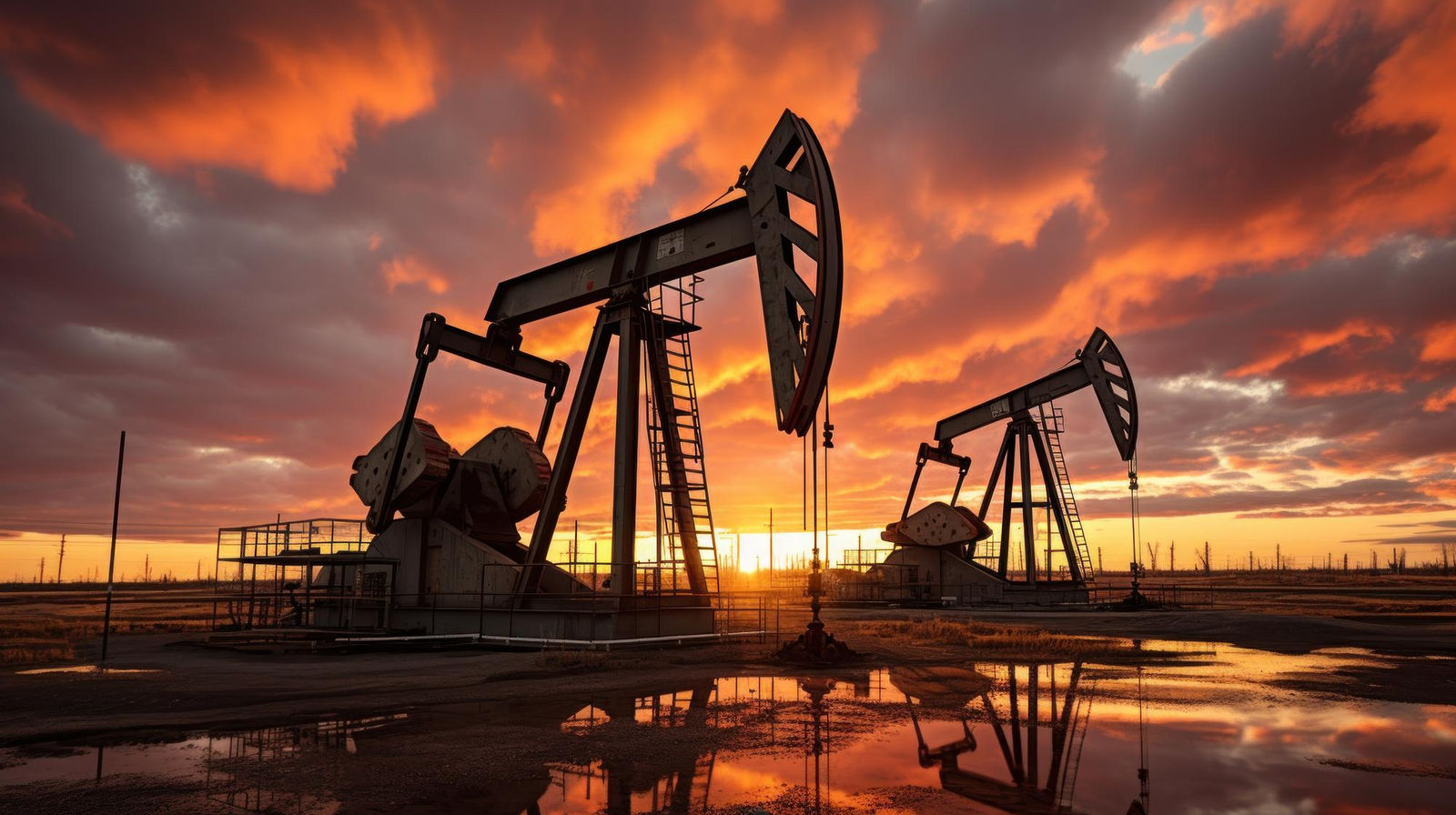
Oil markets are showing signs of stabilization this week after a volatile stretch driven by geopolitical fear and supply disruption headlines. The latest shift comes from developments in Iran, where the government’s crackdown on protests has reduced the market’s expectation of immediate supply interruptions. While the political situation remains tense, traders are treating the near term threat to oil exports as lower than previously priced, and that has helped remove part of the risk premium built into crude.
This matters because oil does not trade only on barrels. It trades on perceived risk. When headlines suggest that a key producer could face disruption, crude prices often jump quickly even before any real supply damage occurs. But when those fears ease, the market usually gives back the premium, bringing prices back toward fundamentals such as global demand, inventory levels, and OPEC positioning.
For traders, the key shift this week is that the Iran story has moved from escalation risk toward a more contained outlook. That does not mean stability has returned permanently. It means the market is temporarily more confident that exports will continue without an immediate shock. In the oil market, that kind of perception change can dramatically reduce volatility, especially when speculative positioning was built around worst case scenarios.
This is important for broader financial markets because oil is one of the strongest drivers of inflation expectations. When crude rises sharply, traders often price higher inflation risk, which can pressure bonds and equities. When oil stabilizes, inflation stress tends to fade, supporting risk sentiment across indices and improving confidence in sectors sensitive to energy costs such as consumer and industrial names.
At the same time, the oil market is still balancing two competing forces. On one side, demand expectations remain uncertain, as investors watch whether economic growth stays resilient or begins to cool. On the other side, supply discipline remains a key theme, with global producers trying to manage output without allowing crude to fall too far. In this environment, a calming geopolitical headline can be the difference between a choppy market and a stable one.
Another driver is positioning behavior. When volatility is high, traders hedge aggressively and reduce exposure. When volatility falls, liquidity improves, and short term buyers often return. This week’s steadier price action suggests that market participants are becoming more comfortable holding positions again, at least for now.
The key takeaway is that oil is currently responding to reduced immediate disruption fear rather than to a major shift in global supply and demand. If geopolitical risk remains contained, crude can continue trading in a more stable range and allow other macro drivers such as inflation data and central bank expectations to dominate financial market direction.
In short, the Iran related risk premium has cooled for now, and the oil market is reflecting that. Volatility has softened, inflation anxiety has eased slightly, and crude has moved into a steadier tone. But as always in energy markets, the calm depends on headlines staying quiet.
Terms in this article
Volatility
The size and speed of price changes, commonly measured as the annualised standard deviation of returns.
Price-to-earnings ratio (P/E)
Share price divided by earnings per share.
OPEC+
The alliance formed in 2016 between the Organization of the Petroleum Exporting Countries, led by Saudi Arabia, and other producers led by Russia.
Inflation
The rate at which the general level of prices rises over time, reducing what money can buy.
Liquidity
How easily an asset can be bought or sold in size without moving its price much.
Revision history
- Published
- Last updated
Ask about this story
Questions are answered only from this article and the sources it cites.
MarketAlleys provides news and analysis for information only; it is not investment advice or a recommendation to buy or sell any security. Markets involve risk. Risk disclaimer.
Was this useful?
Report an issue with this article
Get the Daily Brief
What moved, why, and what matters next — every morning.
Related coverage

Platinum After The Industrial Metals Bid And The Crude Fade
Platinum is not trading a slogan about jewelry. It is trading a metal that finally caught a bid while crude printed a sixth down session. Copper already had its tightness story. Gold and silver already had their yield stories.
MarketAlleys Desk · · 2 min read

Brent After The Yanbu Loadings Halt And Cancelled European Cargoes
Brent is not trading a slogan about the Gulf. It is trading a Red Sea hub that stopped lifting barrels and a set of European cargoes that Riyadh cancelled.
MarketAlleys Desk · · 2 min read

Iron Ore After China Industrial Production And Retail Sales Prints
Iron ore is not trading a slogan about China growth. It is trading two official prints that landed into a Federal Reserve week. Industrial production and retail sales are the demand tape for the steel chain.
MarketAlleys Desk · · 2 min read
US Diesel After The Saudi East West Pipeline Shutdown And A Record Pump Print
Diesel is not trading as a quieter cousin of crude. It is trading the product that households and truckers actually buy. A Saudi shutdown of the East West line took an alternative route off the map after attacks.
MarketAlleys Desk · · 2 min read