OPEC Production Policy Decisions and Their Influence on Global Energy Markets
MarketAlleys Desk
Published · 2 min read
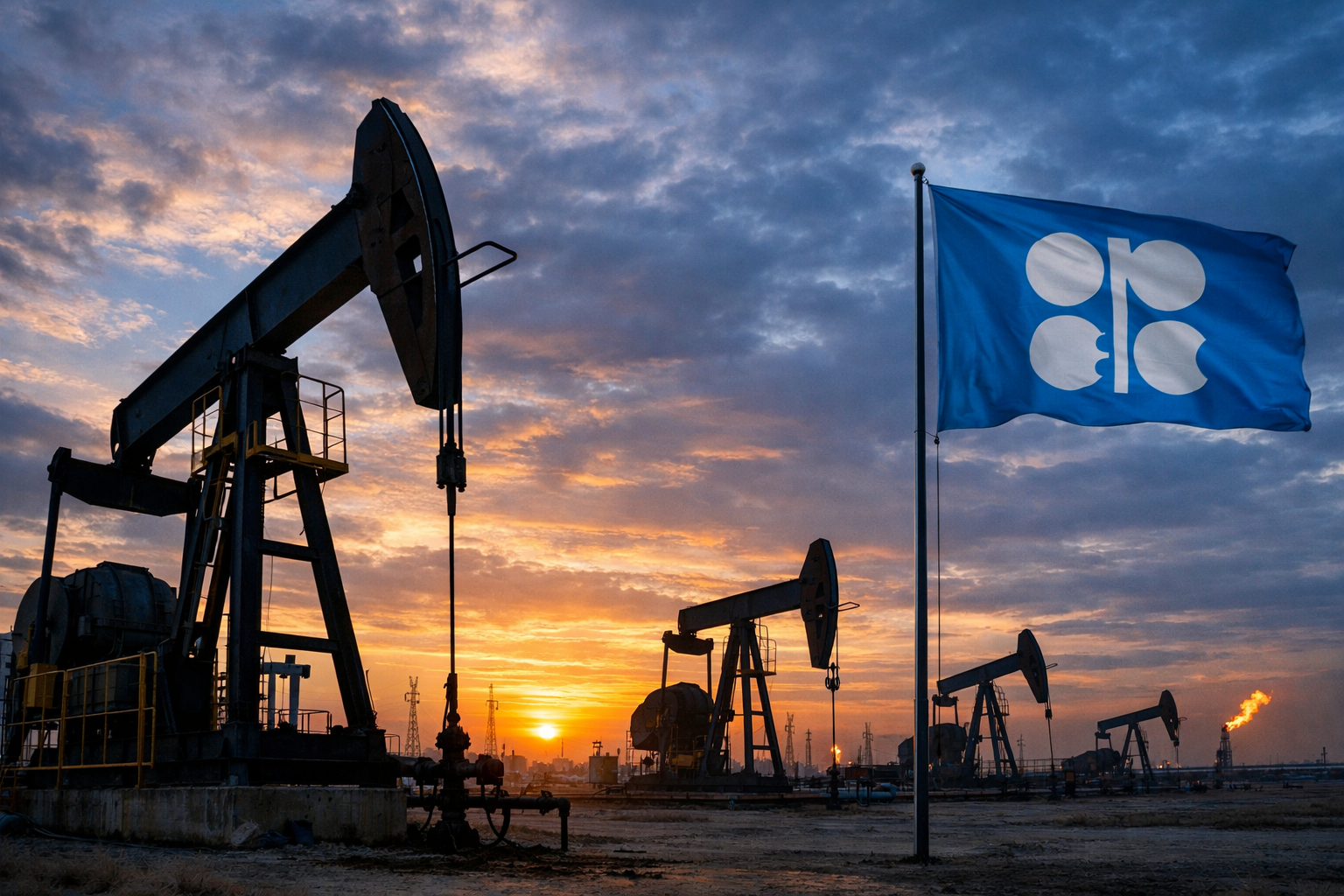
The Organization of the Petroleum Exporting Countries continues to play an important role in shaping global energy markets through its production policy decisions. As a group of major oil producing nations, OPEC regularly evaluates supply conditions, global demand trends, and broader economic developments when determining how much oil member countries should produce. These decisions can influence oil market stability, energy prices, and investment sentiment across financial markets.
Oil remains one of the most widely traded commodities in the world and serves as a key energy source for transportation, manufacturing, and electricity generation. Because many industries depend on oil and petroleum products, shifts in supply levels can have widespread economic effects. When OPEC adjusts production targets, global markets often respond as traders evaluate how these changes may affect supply availability and future energy demand.
Production policy decisions within OPEC are typically guided by the organization’s objective of maintaining balanced and stable oil markets. Member countries meet regularly to assess global consumption trends, production levels from both member and non member producers, and the overall health of the global economy. These discussions help determine whether supply adjustments are necessary to support market stability.
Energy markets often react quickly to announcements from OPEC meetings. Investors and commodity traders closely monitor statements from the organization for signals regarding potential changes in production levels. Even minor adjustments in supply expectations can influence trading activity in oil markets and related financial instruments.
The global nature of the oil market means that OPEC decisions can also influence broader economic conditions. Countries that rely heavily on energy imports may experience changes in energy costs when oil supply conditions shift. At the same time, oil exporting nations may see changes in revenue expectations depending on global price trends and production policies.
Financial markets frequently incorporate developments in energy markets into broader investment strategies. Energy companies, transportation firms, and manufacturing businesses often experience shifts in market sentiment depending on how oil supply conditions evolve. Investors therefore monitor OPEC policy signals as part of their broader analysis of global economic trends.
Looking ahead, OPEC production policy decisions will likely remain an important factor influencing global energy markets. As economic growth, geopolitical developments, and technological changes affect global energy demand, the organization’s ability to manage supply levels will continue to shape the balance between oil production and consumption worldwide.
Terms in this article
OPEC+
The alliance formed in 2016 between the Organization of the Petroleum Exporting Countries, led by Saudi Arabia, and other producers led by Russia.
Price-to-earnings ratio (P/E)
Share price divided by earnings per share.
Ask about this story
Questions are answered only from this article and the sources it cites.
MarketAlleys provides news and analysis for information only; it is not investment advice or a recommendation to buy or sell any security. Markets involve risk. Risk disclaimer.
Was this useful?
Report an issue with this article
Get the Daily Brief
What moved, why, and what matters next — every morning.
Related coverage
IMF finds demand for tokenized stocks but calls market volatile and illiquid
CoinDesk reported Oct 11 that the IMF found demand for tokenized stocks and said the market remains volatile and illiquid; Yahoo also reported the item.
MarketAlleys Research Desk · · 3 min read
Week Ahead, Monday October 12: 19 events, 11 high-importance releases
This week features 19 upcoming events, including 15 earnings reports and 4 macro releases; 11 items are flagged high importance, led by major bank earnings and the US Consumer Price Index.
MarketAlleys Research Desk · · 6 min read

Trump Xi Meeting In Washington On A Trade Truce And AI Cooperation
The political tape this week is not another Iran post. It is a sitting president hosting the Chinese leader in Washington while markets already priced a quieter crude tape and a firmer dollar.
MarketAlleys Desk · · 2 min read

Warsh Hike Path Versus A White House That Does Not Want Tightening
The political tape into this Federal Reserve meeting is not a speech about oil. It is a collision between a chair who is boxed into a hike and a White House that has already shown it will not like the vote.
MarketAlleys Desk · · 2 min read