Silver Shines as Dollar Weakens and Safe-Haven Demand Surges
Silver is once again in the spotlight as investors turn to safe-haven assets amid growing economic uncertainty and a weakening U.S. dollar.
MarketAlleys Desk
Published · 2 min read
Introduction
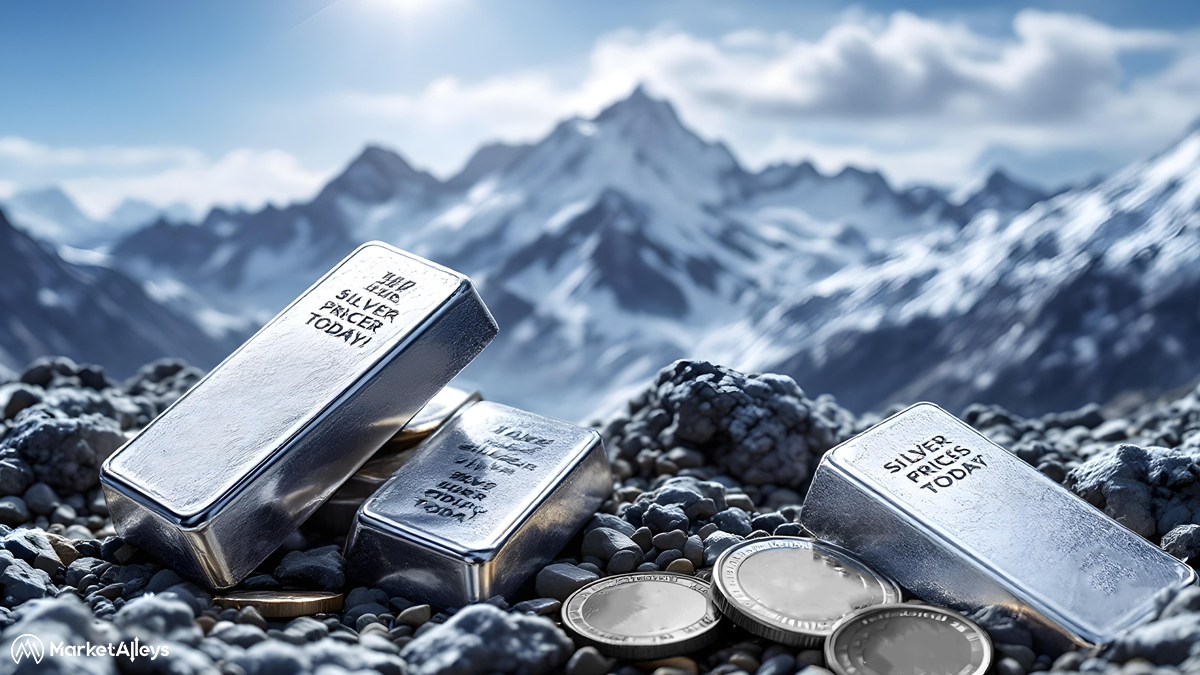
Silver is once again in the spotlight as investors turn to safe-haven assets amid growing economic uncertainty and a weakening U.S. dollar. The precious metal is showing signs of renewed strength, with market participants increasingly betting on silver as a hedge against both inflation and geopolitical risks. As global financial markets remain on edge, silver is emerging as a strong performer in the commodities sector.
Key Takeaways
- Silver demand is increasing due to safe-haven buying.
- Weakening U.S. dollar boosts silver’s appeal to international investors.
- Inflationary pressures and global uncertainty drive precious metal interest.
- Silver is outperforming some other commodities as investor sentiment shifts.
Silver's Strength Amid Market Anxiety
Silver has long been known as a safe-haven asset, and current market conditions are reinforcing that reputation. With ongoing concerns around inflation, shifting interest rate expectations, and persistent geopolitical tensions, investors are moving capital into metals like silver. Unlike gold, which often dominates headlines, silver offers a more affordable alternative with similar protective benefits during market volatility.
The recent upswing in silver prices can be attributed not only to its intrinsic value as a precious metal but also to its industrial utility. Silver is heavily used in electronics, solar panels, and medical devices — all of which continue to see strong demand. This dual-role dynamic makes silver uniquely positioned during both economic growth cycles and periods of defensive investing.
Dollar Weakness Enhances Silver’s Global Appeal
A key driver behind silver’s recent gains is the continued softening of the U.S. dollar. As the dollar loses ground against other major currencies, dollar-denominated assets like silver become cheaper and more attractive to foreign buyers. This international demand surge is reinforcing silver’s strength and pushing prices higher on global exchanges.
Central banks around the world are also navigating diverging monetary policy paths, adding further unpredictability to currency markets. In this environment, silver’s historic role as a store of value and its global liquidity make it an ideal choice for investors seeking to hedge against currency devaluation and interest rate fluctuations.
Investor Sentiment and Forward Outlook
Market sentiment toward silver has shifted notably in recent weeks. Analysts point to increased volume in silver exchange-traded funds (ETFs) and rising interest among institutional investors as signs of strong forward momentum. Retail investors, too, are re-engaging with silver as macroeconomic risks mount and traditional equities remain choppy.
While some short-term corrections may occur due to profit-taking or technical levels, the long-term trajectory for silver appears bullish. With inflation not fully under control, and fears of recession and debt instability in various economies still present, silver is expected to maintain a firm foothold in diversified portfolios.
Conclusion
As global uncertainty lingers and the dollar continues to retreat, silver is regaining its shine. The metal’s role as both a safe-haven and industrial staple is drawing widespread investor attention. If current trends hold, silver could continue its upward momentum and solidify its position as a vital component of modern portfolios during times of economic instability.
Terms in this article
Safe haven
An asset expected to hold or gain value during market stress.
Inflation
The rate at which the general level of prices rises over time, reducing what money can buy.
Gold (XAU)
A precious metal held as a store of value, a hedge against currency debasement and a safe haven, as well as used in jewellery and industry.
Volatility
The size and speed of price changes, commonly measured as the annualised standard deviation of returns.
Price-to-earnings ratio (P/E)
Share price divided by earnings per share.
Ask about this story
Questions are answered only from this article and the sources it cites.
MarketAlleys provides news and analysis for information only; it is not investment advice or a recommendation to buy or sell any security. Markets involve risk. Risk disclaimer.
Was this useful?
Report an issue with this article
Get the Daily Brief
What moved, why, and what matters next — every morning.
Related coverage
Week Ahead, Monday October 12: 19 events, 11 high-importance releases
This week features 19 upcoming events, including 15 earnings reports and 4 macro releases; 11 items are flagged high importance, led by major bank earnings and the US Consumer Price Index.
MarketAlleys Research Desk · · 6 min read
MarketAlleys Daily Brief, Sunday, October 11, 2026: Weekend market snapshot
Crypto traded mixed over the rolling 24 hours while major US equity ETFs rose from the prior close; the week ahead features bank earnings before the open and the US Consumer Price Index at 12:30 UTC on Oct 14.
MarketAlleys Research Desk · · 6 min read
Closing Tape, Friday October 9, 2026: US ETFs finish higher
US ETFs rose from the prior close while gold and silver advanced; Amazon led gainers and Apple lagged. Treasury yields were lower as of Thu Oct 8; Bitcoin rose over 24 hours.
MarketAlleys Research Desk · · 5 min read
US Premarket Brief, Thursday October 8: Asian and European ETFs fell; bitcoin down 1.28%
Asian and European ETFs were lower on Oct 7; Bitcoin fell 1.28% over 24 hours as of Oct 8, 12:30 UTC. US markets trade today and the Department of Labor's weekly jobless claims is scheduled.
MarketAlleys Research Desk · · 4 min read