South China Sea Tensions, Why Global Shipping Might Be Entering a Dangerous Zone
MarketAlleys Desk
Published · 2 min read
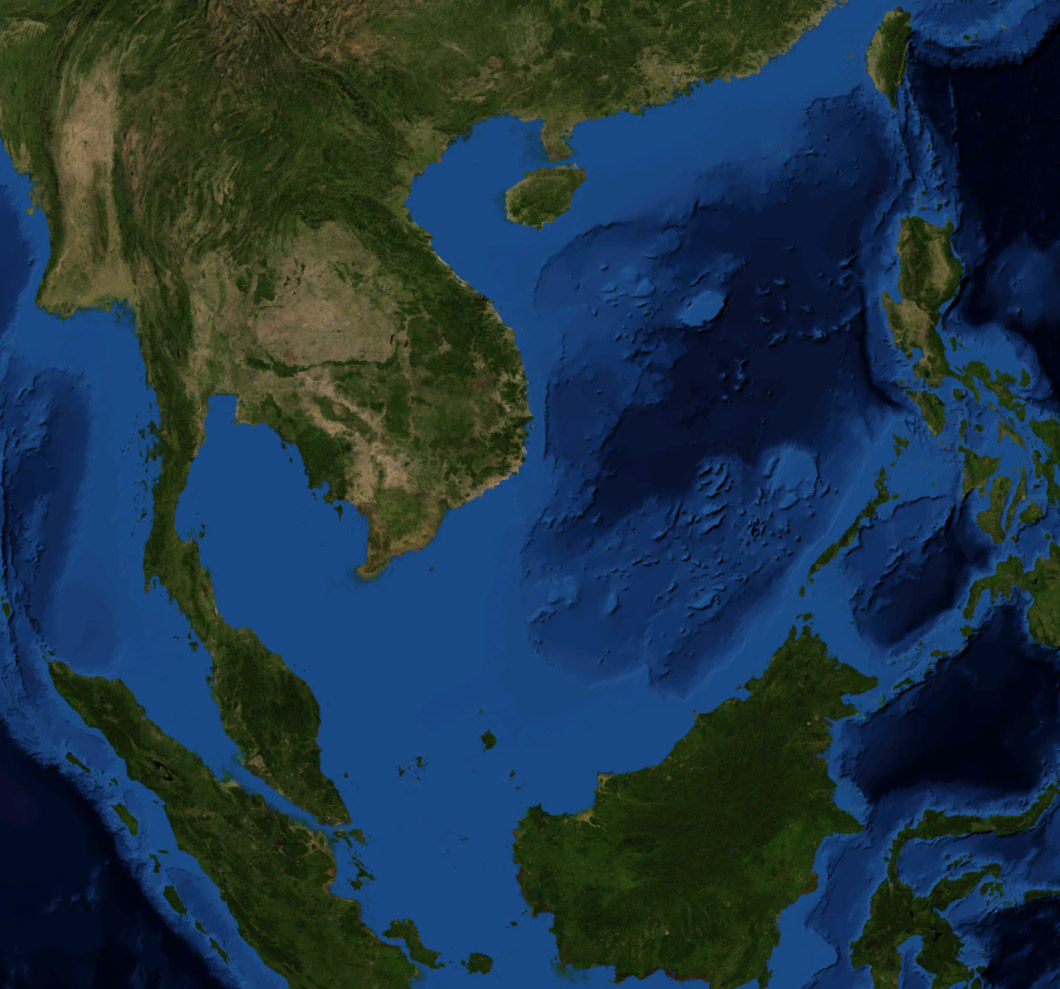
Tensions in the South China Sea have flared lately, raising growing concern among global shipping players.
As navies increase patrols and geopolitical rivalry intensifies, the risk to one of the world’s busiest maritime corridors a vital route for trade between Asia, Europe and beyond is becoming impossible to ignore.
The South China Sea is a strategic junction, around one third of global maritime trade passes through it, including energy shipments, electronics, raw materials and finished goods.
If disruptions military interference, rerouted vessels, or increased insurance costs escalate, the ripple effects could hit supply chains globally.
Here’s how the pressure is already building,
- Investor and operator nervousness Some shipping companies and goods-forwarders are reportedly reviewing route-diversion plans. Though no wide-scale rerouting has yet been confirmed, market chatter suggests firms are factoring in extra days at sea and higher fuel costs as contingencies.
- Rising freight and insurance costs When geopolitical risk spikes, shipping route insurance premiums tend to rise.
That increases baseline costs for exporters and importers, especially in Asia and Europe. This cost tends to be passed along to consumers potentially inflating prices of electronics, garments, and other trade dependent goods. - Supply-chain fragility exposed For industries dependent on “just in time” manufacturing or lean inventories (like electronics, auto parts, retail), even minor delays or rerouting add buffer costs and built in risk.
Spare part shipments, components, and time sensitive deliveries are especially vulnerable.
For emerging market exporters particularly Southeast Asian economies the stakes are high. They rely heavily on efficient shipping access to global markets.
Any prolonged disruption could hamper export competitiveness, strain logistics, and slow down trade flows at a time when global demand is already fragile.
Analysts warn the situation remains a “geopolitical wildcard.” If tensions escalate or a major maritime incident occurs, the cost shock could reverberate quickly through commodity prices, manufacturing supply chains, and consumer goods markets.
But there are possible “safety valves”: many shipping firms have alternative routes (longer via Malacca Strait + Indian Ocean), and global inventory buffers built post pandemic give some flexibility. Still, both add time and cost meaning consumers and companies likely absorb the burden.
What to Watch
- Reports of naval incidents, detentions, or maritime enforcement actions in the South China Sea.
- Shipping-cost data: freight rates, insurance premiums, and rerouting premiums for Asia Europe routes.
- Trade flow stats for key export hubs in Southeast and East Asia.
- Inventory and delivery delays declared by multinational companies reliant on Asian supply chains.
The South China Sea remains one of global trade’s vital arteries.
While no major shutdown has yet happened, the mounting geopolitical risk is beginning to show up in cost structures and contingency plans.
If tensions escalate, expect ripple effects, expensive shipping, delayed deliveries, higher goods prices and a stark reminder of how fragile global trade remains in a volatile geopolitical climate.
Terms in this article
Price-to-earnings ratio (P/E)
Share price divided by earnings per share.
Ask about this story
Questions are answered only from this article and the sources it cites.
MarketAlleys provides news and analysis for information only; it is not investment advice or a recommendation to buy or sell any security. Markets involve risk. Risk disclaimer.
Was this useful?
Report an issue with this article
Get the Daily Brief
What moved, why, and what matters next — every morning.
Related coverage
IMF finds demand for tokenized stocks but calls market volatile and illiquid
CoinDesk reported Oct 11 that the IMF found demand for tokenized stocks and said the market remains volatile and illiquid; Yahoo also reported the item.
MarketAlleys Research Desk · · 3 min read
Week Ahead, Monday October 12: 19 events, 11 high-importance releases
This week features 19 upcoming events, including 15 earnings reports and 4 macro releases; 11 items are flagged high importance, led by major bank earnings and the US Consumer Price Index.
MarketAlleys Research Desk · · 6 min read

Trump Xi Meeting In Washington On A Trade Truce And AI Cooperation
The political tape this week is not another Iran post. It is a sitting president hosting the Chinese leader in Washington while markets already priced a quieter crude tape and a firmer dollar.
MarketAlleys Desk · · 2 min read

Warsh Hike Path Versus A White House That Does Not Want Tightening
The political tape into this Federal Reserve meeting is not a speech about oil. It is a collision between a chair who is boxed into a hike and a White House that has already shown it will not like the vote.
MarketAlleys Desk · · 2 min read