Trump’s New Tariffs on Mexico, Canada, and China Set to Take Effect
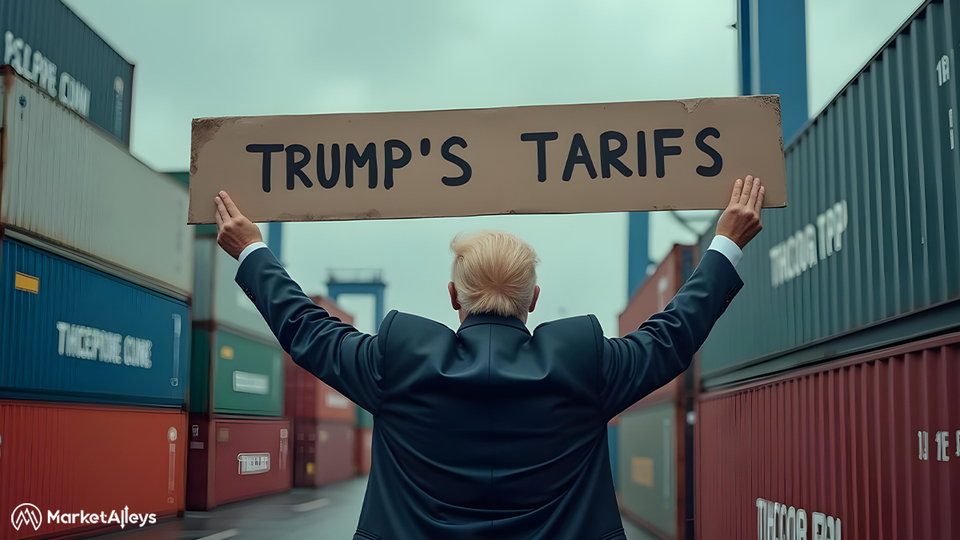
The United States is preparing for a new wave of tariffs on imports from Mexico, Canada, and China, set to take effect on Tuesday.
MarketAlleys Desk
Published · 2 min read

Introduction
The United States is preparing for a new wave of tariffs on imports from Mexico, Canada, and China, set to take effect on Tuesday. Former President Donald Trump’s latest trade policy move aims to protect American industries and reduce dependence on foreign manufacturing. However, the tariffs have sparked concerns about potential economic repercussions, including rising consumer prices, supply chain disruptions, and retaliatory measures from affected countries. As the global economy braces for impact, businesses and policymakers are closely watching how these new trade barriers will unfold.
Key Takeaways
- Trump’s new tariffs target imports from Mexico, Canada, and China to boost domestic industries.
- The tariffs are expected to impact key sectors, including automotive, agriculture, and technology.
- Businesses warn of potential price increases and supply chain disruptions.
- Retaliatory actions from Canada, Mexico, and China could escalate trade tensions.
Trump’s Tariff Strategy: Strengthening Domestic Industries or Risking Retaliation?
The Trump administration has long advocated for protectionist trade policies, arguing that tariffs are necessary to counter unfair trade practices and strengthen American manufacturing. The latest round of tariffs is expected to hit industries such as automotive production, agriculture, and consumer electronics, which rely heavily on imports from Mexico, Canada, and China.
Critics argue that while tariffs may protect certain domestic industries in the short term, they often lead to higher costs for businesses and consumers. Companies that rely on imported materials may pass the increased costs onto consumers, resulting in higher prices for everyday goods.
Economic Impact: Markets and Businesses Brace for Disruptions
The announcement of the new tariffs has already sent shockwaves through global financial markets. Investors fear that the increased trade barriers could slow economic growth, disrupt supply chains, and trigger inflationary pressures. Sectors that rely on cross-border trade, including auto manufacturers and agricultural exporters, are particularly vulnerable to the new tariffs.
For businesses that depend on imported goods and raw materials, the tariffs could result in increased production costs, leading to potential job losses and lower profit margins. Some analysts warn that these trade restrictions could ultimately hurt American consumers by driving up prices on goods such as cars, food, and electronics.
Global Response: Retaliation from Mexico, Canada, and China?
Mexico, Canada, and China have strongly opposed Trump’s tariff policies in the past and may respond with their own countermeasures. Canada and Mexico, both key US trade partners under the USMCA agreement, could impose retaliatory tariffs on American exports, impacting industries such as agriculture, energy, and manufacturing.
China, which has been engaged in a long-standing trade war with the US, may also take action by implementing counter-tariffs or restricting exports of critical materials such as rare earth metals. If these countries retaliate, the global trade landscape could become even more volatile, affecting businesses and consumers worldwide.
Conclusion
As Trump’s new tariffs on Mexico, Canada, and China take effect, the economic and political consequences remain uncertain. While the tariffs are intended to protect American industries, they could also lead to rising consumer prices, trade disruptions, and retaliatory measures from affected nations. Businesses and policymakers will need to navigate these challenges carefully as the global trade landscape shifts in response to Trump’s latest policy move.
Terms in this article
Tariff
A tax on imported goods, paid by the importer.
Price-to-earnings ratio (P/E)
Share price divided by earnings per share.
Margin
The collateral a broker or exchange requires to open and keep a leveraged position.
Ask about this story
Questions are answered only from this article and the sources it cites.
MarketAlleys provides news and analysis for information only; it is not investment advice or a recommendation to buy or sell any security. Markets involve risk. Risk disclaimer.
Was this useful?
Report an issue with this article
Get the Daily Brief
What moved, why, and what matters next — every morning.
Related coverage
IMF finds demand for tokenized stocks but calls market volatile and illiquid
CoinDesk reported Oct 11 that the IMF found demand for tokenized stocks and said the market remains volatile and illiquid; Yahoo also reported the item.
MarketAlleys Research Desk · · 3 min read
Week Ahead, Monday October 12: 19 events, 11 high-importance releases
This week features 19 upcoming events, including 15 earnings reports and 4 macro releases; 11 items are flagged high importance, led by major bank earnings and the US Consumer Price Index.
MarketAlleys Research Desk · · 6 min read

Trump Xi Meeting In Washington On A Trade Truce And AI Cooperation
The political tape this week is not another Iran post. It is a sitting president hosting the Chinese leader in Washington while markets already priced a quieter crude tape and a firmer dollar.
MarketAlleys Desk · · 2 min read

Warsh Hike Path Versus A White House That Does Not Want Tightening
The political tape into this Federal Reserve meeting is not a speech about oil. It is a collision between a chair who is boxed into a hike and a White House that has already shown it will not like the vote.
MarketAlleys Desk · · 2 min read