Trump Tariffs Lead to Cost Savings for Americans Through Tax Cut
MarketAlleys Desk
Published · 3 min read
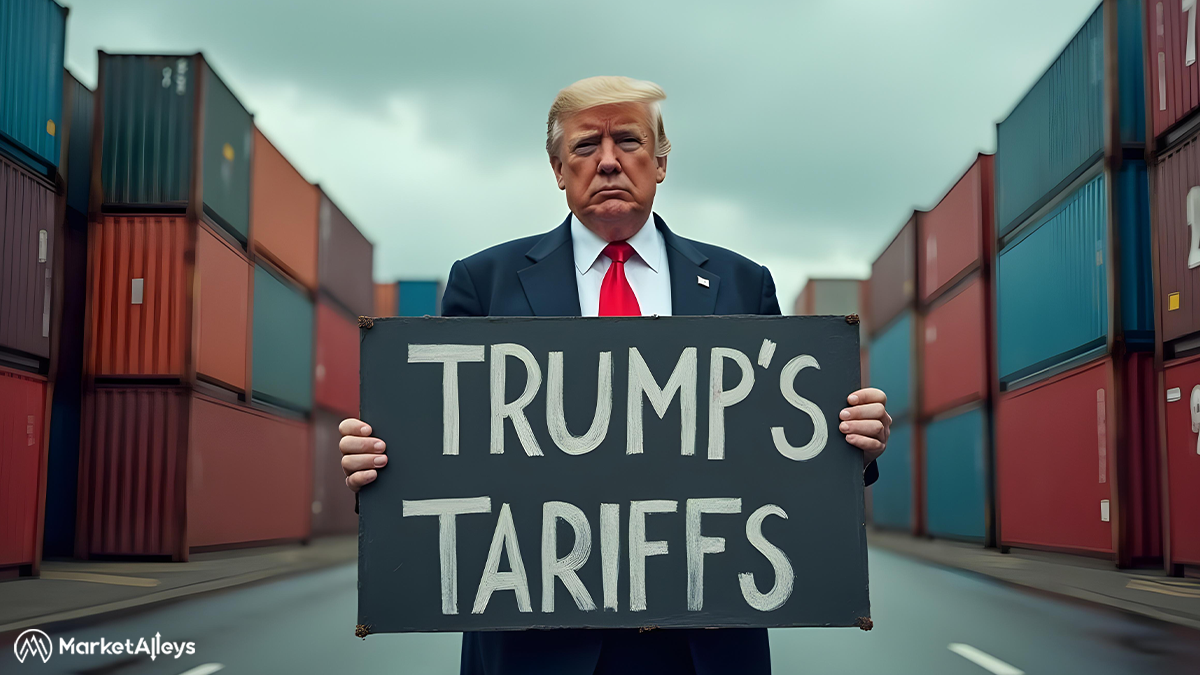
The Trump administration's decision to impose tariffs on foreign goods has had significant economic implications, but a lesser-known impact is the potential savings for American consumers. These savings are mainly the result of tax cuts that aim to offset the increased costs brought on by tariffs.
Key Takeaways:
- The Trump tariffs, though controversial, have contributed to cost savings for American households through tax cuts.
- The tax cuts, implemented as part of the broader economic strategy, have helped ease the financial burden for consumers facing rising prices.
- Some economists argue that the long-term impact of the tariffs may lead to better cost management for Americans, despite short-term challenges.
- The discussion around tariffs remains polarized, with proponents highlighting tax relief and critics emphasizing higher consumer prices.
Trump Tariffs and Their Role in Cost Savings
When former President Trump implemented tariffs on goods from China and other foreign markets, the move was intended to protect U.S. manufacturing and encourage domestic production. However, tariffs typically lead to higher costs for imported goods, which can trickle down to consumers.
Despite this, the Trump administration used tax cuts as a countermeasure, designed to alleviate some of the pressure on American households. The tax reforms provided individuals with more disposable income, with a focus on reducing the tax burden for middle-class families. This strategy helped to mitigate the negative effects of higher tariffs by offering financial relief in other areas.
How Tax Cuts Offset Tariff Costs
One of the main arguments for the Trump tariffs was that they would bring about long-term economic benefits, including job creation and an overall reduction in trade deficits. The tax cuts, which were introduced alongside the tariffs, aimed to ensure that American workers would benefit from the new economic policies.
The tax cuts allowed for increased household savings, which helped many Americans absorb the price hikes caused by tariffs. As a result, the strategy sought to balance the economic disruption caused by the tariffs by offering tax relief that could potentially boost consumer spending.
Mixed Reactions to the Strategy
While some supporters of Trump’s economic policies argue that the tax cuts, in combination with tariffs, benefited American workers and businesses, critics point to the overall rise in prices. Goods affected by tariffs, such as electronics, machinery, and consumer goods, saw price increases that many consumers had to bear.
Some experts also argue that while tax cuts provided short-term relief, they did not fully offset the long-term consequences of trade imbalances and rising production costs. As inflation pressures continued in various sectors, the benefits of tax cuts may have been outweighed by the higher costs of everyday goods for many Americans.
The Long-Term Impact of Tariffs and Tax Cuts
The lasting effects of the Trump tariffs and tax cuts are still being debated. On one hand, proponents argue that tariffs have strengthened American manufacturing and encouraged domestic production. On the other hand, critics assert that the tariffs placed undue pressure on consumers, leading to higher costs that many American families struggled to manage.
Despite these challenges, the tax cuts continue to be a point of discussion as part of the broader economic impact of Trump's trade policies. As the U.S. economy adapts to the consequences of these trade measures, the question remains whether the cost savings through tax cuts have been sufficient to balance the negative effects of tariffs on consumer prices.
Conclusion: A Complex Economic Strategy
Trump’s economic strategy, which combined tariffs with tax cuts, created a complex dynamic for American consumers. While the tariffs aimed to bolster U.S. industries, the accompanying tax cuts provided financial relief to offset the rising costs of imports. However, the long-term effects of this strategy are still being felt, and the debate over its overall success continues.
As the U.S. navigates the economic implications of these policies, it will be important to monitor how future trade deals and tax reforms impact the broader economy and the everyday consumer.
Terms in this article
Tariff
A tax on imported goods, paid by the importer.
Price-to-earnings ratio (P/E)
Share price divided by earnings per share.
Inflation
The rate at which the general level of prices rises over time, reducing what money can buy.
Ask about this story
Questions are answered only from this article and the sources it cites.
MarketAlleys provides news and analysis for information only; it is not investment advice or a recommendation to buy or sell any security. Markets involve risk. Risk disclaimer.
Was this useful?
Report an issue with this article
Get the Daily Brief
What moved, why, and what matters next — every morning.
Related coverage
CNBC flags six market themes as earnings season and inflation reports approach
CNBC reported Oct 11 that earnings season ramps up this week with four Club holdings set to report and two main inflation reports also out.
MarketAlleys Research Desk · · 3 min read
Closing Tape, Friday October 9, 2026: US ETFs finish higher
US ETFs rose from the prior close while gold and silver advanced; Amazon led gainers and Apple lagged. Treasury yields were lower as of Thu Oct 8; Bitcoin rose over 24 hours.
MarketAlleys Research Desk · · 5 min read
US Premarket Brief, Friday October 9, 2026: mixed global moves, Bitcoin up 0.84%
Global ETFs were mixed—SPY ETF fell 0.42% from the prior close and QQQ ETF fell 1.34%—while Bitcoin rose 0.84% over 24 hours and the USO ETF rose 2.55% from the prior close.
MarketAlleys Research Desk · · 5 min read
Closing Tape, Thursday October 8, 2026: SPY ETF fell 0.42% from the prior close
US ETFs were mixed as markets closed: the SPY ETF fell 0.42% and the QQQ ETF fell 1.34%, while the DIA ETF rose 0.12% on Oct 8, 2026.
MarketAlleys Research Desk · · 5 min read