Uranium Demand Trends as Nuclear Energy Investment Expands Worldwide
MarketAlleys Desk
Published · 2 min read
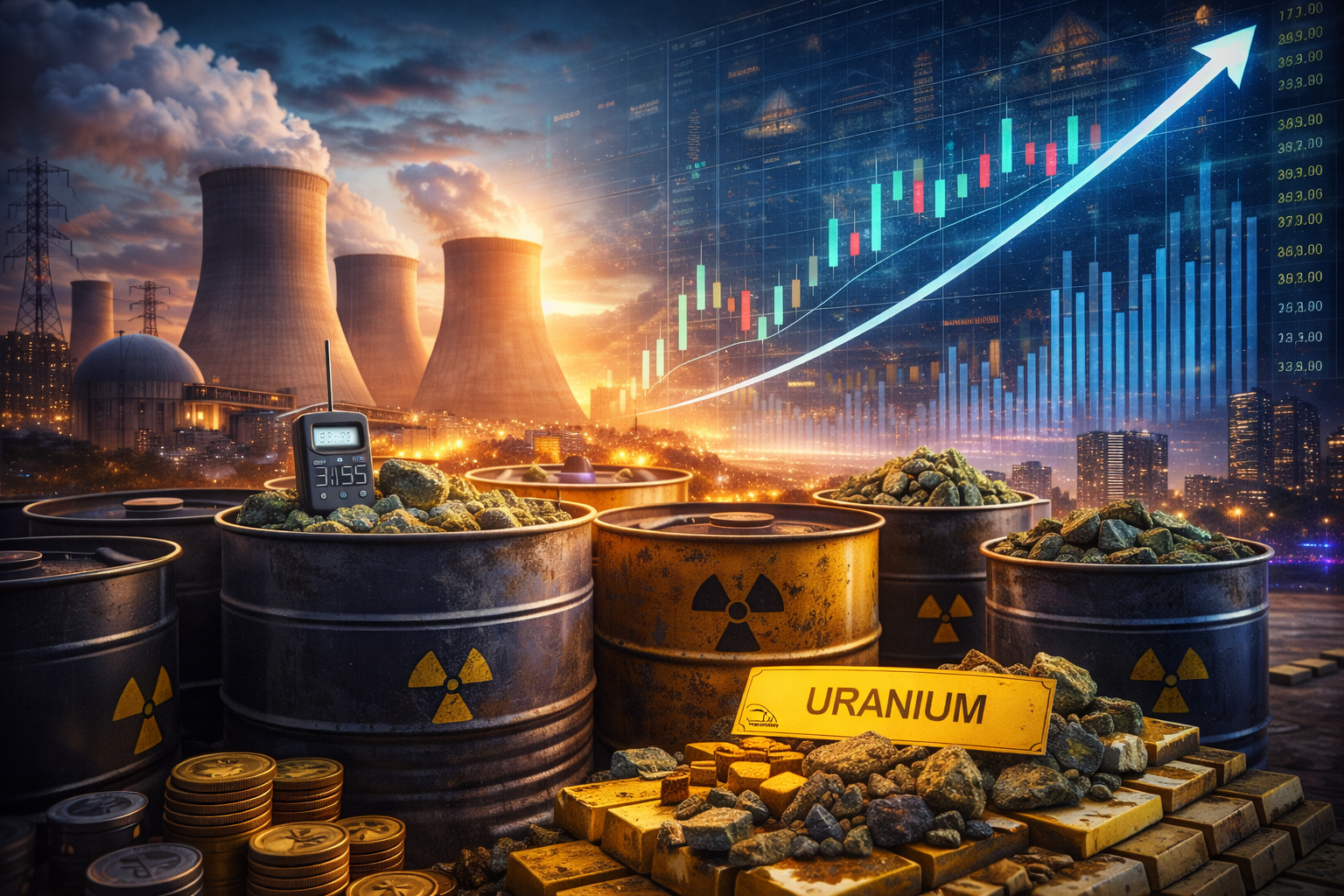
Uranium has regained significant attention within global commodity markets as countries increasingly explore nuclear energy as part of their long term energy strategies. The metal is a key component used in nuclear reactors to generate electricity, and its demand is closely linked to the development and expansion of nuclear power infrastructure. As governments seek reliable and low emission energy sources, nuclear energy has returned to the center of many national energy discussions.
One of the primary drivers behind growing uranium demand is the global effort to diversify energy production while reducing reliance on fossil fuels. Nuclear power offers a stable source of electricity generation that does not produce direct carbon emissions during operation. As energy demand continues to rise across both developed and developing economies, nuclear power has gained renewed consideration as a dependable complement to renewable energy sources such as wind and solar.
Large scale investments in nuclear infrastructure have been announced or expanded in several regions. Governments are evaluating the construction of new reactors as well as the modernization of existing facilities. These projects require long term fuel supply agreements, which can strengthen demand for uranium within international markets. Energy security considerations have also encouraged some countries to reassess their nuclear capabilities as a way to reduce reliance on imported fuels.
Supply dynamics within the uranium market are shaped by mining operations in a limited number of producing regions. Countries with significant uranium reserves play an important role in meeting global demand. Production levels can be influenced by operational costs, environmental regulations, and geopolitical developments that affect mining investment and transportation logistics.
Market participants closely monitor the balance between new reactor development and uranium production capacity. When nuclear power investment increases while supply growth remains constrained, expectations for future demand may strengthen. This relationship has drawn increased interest from investors evaluating the role of uranium in the global energy transition.
Looking ahead, the pace of nuclear energy development, energy security priorities, and global electricity demand will continue to influence uranium markets. As governments seek reliable energy solutions that support long term environmental goals, uranium is likely to remain an important commodity within the evolving global energy landscape.
Ask about this story
Questions are answered only from this article and the sources it cites.
MarketAlleys provides news and analysis for information only; it is not investment advice or a recommendation to buy or sell any security. Markets involve risk. Risk disclaimer.
Was this useful?
Report an issue with this article
Get the Daily Brief
What moved, why, and what matters next — every morning.
Related coverage

Platinum After The Industrial Metals Bid And The Crude Fade
Platinum is not trading a slogan about jewelry. It is trading a metal that finally caught a bid while crude printed a sixth down session. Copper already had its tightness story. Gold and silver already had their yield stories.
MarketAlleys Desk · · 2 min read

Brent After The Yanbu Loadings Halt And Cancelled European Cargoes
Brent is not trading a slogan about the Gulf. It is trading a Red Sea hub that stopped lifting barrels and a set of European cargoes that Riyadh cancelled.
MarketAlleys Desk · · 2 min read

Iron Ore After China Industrial Production And Retail Sales Prints
Iron ore is not trading a slogan about China growth. It is trading two official prints that landed into a Federal Reserve week. Industrial production and retail sales are the demand tape for the steel chain.
MarketAlleys Desk · · 2 min read
US Diesel After The Saudi East West Pipeline Shutdown And A Record Pump Print
Diesel is not trading as a quieter cousin of crude. It is trading the product that households and truckers actually buy. A Saudi shutdown of the East West line took an alternative route off the map after attacks.
MarketAlleys Desk · · 2 min read