US China Trade Policy Developments Impact On Global Supply Chains
MarketAlleys Desk
Published · 2 min read
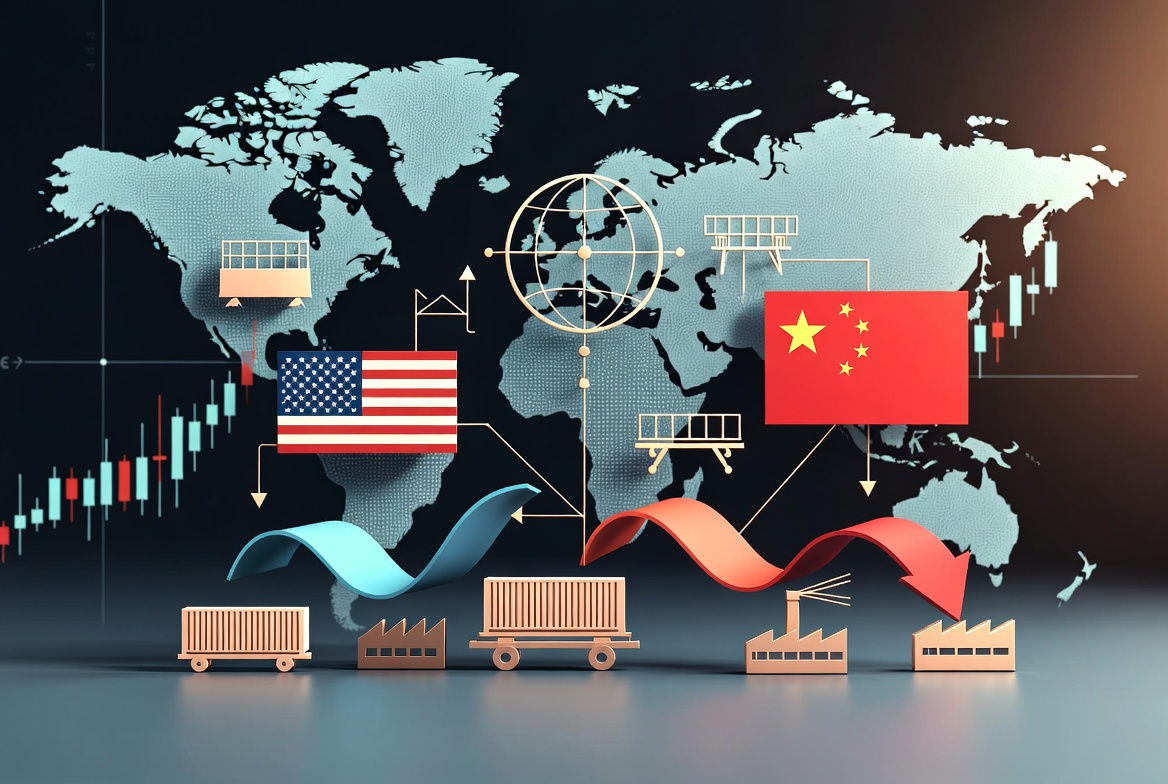
United States China trade policy continues to reshape global supply chains as both nations pursue strategic adjustments in their economic relationship. Recent developments reflect ongoing efforts to balance national security concerns with commercial interests across critical industries.
The current policy framework emphasizes managed trade and reciprocity. This approach has encouraged many multinational companies to diversify sourcing strategies away from heavy dependence on Chinese manufacturing. Businesses are accelerating moves toward friendshoring and nearshoring to reduce vulnerability to potential disruptions from geopolitical tensions or policy shifts.
Key sectors such as semiconductors, electric vehicles, pharmaceuticals, and rare earth minerals face particular scrutiny. United States initiatives aim to strengthen domestic production capabilities and deepen partnerships with allies in Asia and elsewhere. These efforts prompt companies to reevaluate long established supply networks that previously centered on China for cost efficiency and scale.
Chinese authorities respond with measures designed to enhance technological self reliance and secure alternative export markets. This dynamic creates a more fragmented global trade environment where corporations must navigate competing regulatory requirements and shifting cost structures. Supply chain managers increasingly incorporate geopolitical risk assessments into their long term planning decisions.
The impact extends beyond bilateral trade flows. Many developing economies in Southeast Asia, Mexico, and Eastern Europe benefit from redirected investment as companies seek alternative production bases. This redistribution supports new manufacturing hubs while challenging established logistics networks and requiring fresh infrastructure development.
Market participants monitor policy signals closely for clues about future tariff adjustments, export controls, and investment restrictions. Corporate boards now treat supply chain resilience as a central strategic priority rather than a secondary operational concern. This shift influences capital allocation toward technologies that enable greater visibility and flexibility across international operations.
While complete decoupling remains unlikely given the deep integration of global markets, the trajectory points toward more selective and secure supply arrangements. Companies that adapt effectively by building diversified networks position themselves to navigate an era of heightened geopolitical competition.
Overall United States China trade policy developments drive meaningful evolution in global supply chains. The focus on resilience and strategic autonomy will likely define corporate decision making and investment patterns across multiple industries in the years ahead.
Terms in this article
Tariff
A tax on imported goods, paid by the importer.
Ask about this story
Questions are answered only from this article and the sources it cites.
MarketAlleys provides news and analysis for information only; it is not investment advice or a recommendation to buy or sell any security. Markets involve risk. Risk disclaimer.
Was this useful?
Report an issue with this article
Get the Daily Brief
What moved, why, and what matters next — every morning.
Related coverage
IMF finds demand for tokenized stocks but calls market volatile and illiquid
CoinDesk reported Oct 11 that the IMF found demand for tokenized stocks and said the market remains volatile and illiquid; Yahoo also reported the item.
MarketAlleys Research Desk · · 3 min read
Week Ahead, Monday October 12: 19 events, 11 high-importance releases
This week features 19 upcoming events, including 15 earnings reports and 4 macro releases; 11 items are flagged high importance, led by major bank earnings and the US Consumer Price Index.
MarketAlleys Research Desk · · 6 min read

Trump Xi Meeting In Washington On A Trade Truce And AI Cooperation
The political tape this week is not another Iran post. It is a sitting president hosting the Chinese leader in Washington while markets already priced a quieter crude tape and a firmer dollar.
MarketAlleys Desk · · 2 min read

Warsh Hike Path Versus A White House That Does Not Want Tightening
The political tape into this Federal Reserve meeting is not a speech about oil. It is a collision between a chair who is boxed into a hike and a White House that has already shown it will not like the vote.
MarketAlleys Desk · · 2 min read