US Pressure on Chinese Electric Vehicle Imports Revives Trade Tensions
MarketAlleys Desk
Published · 2 min read
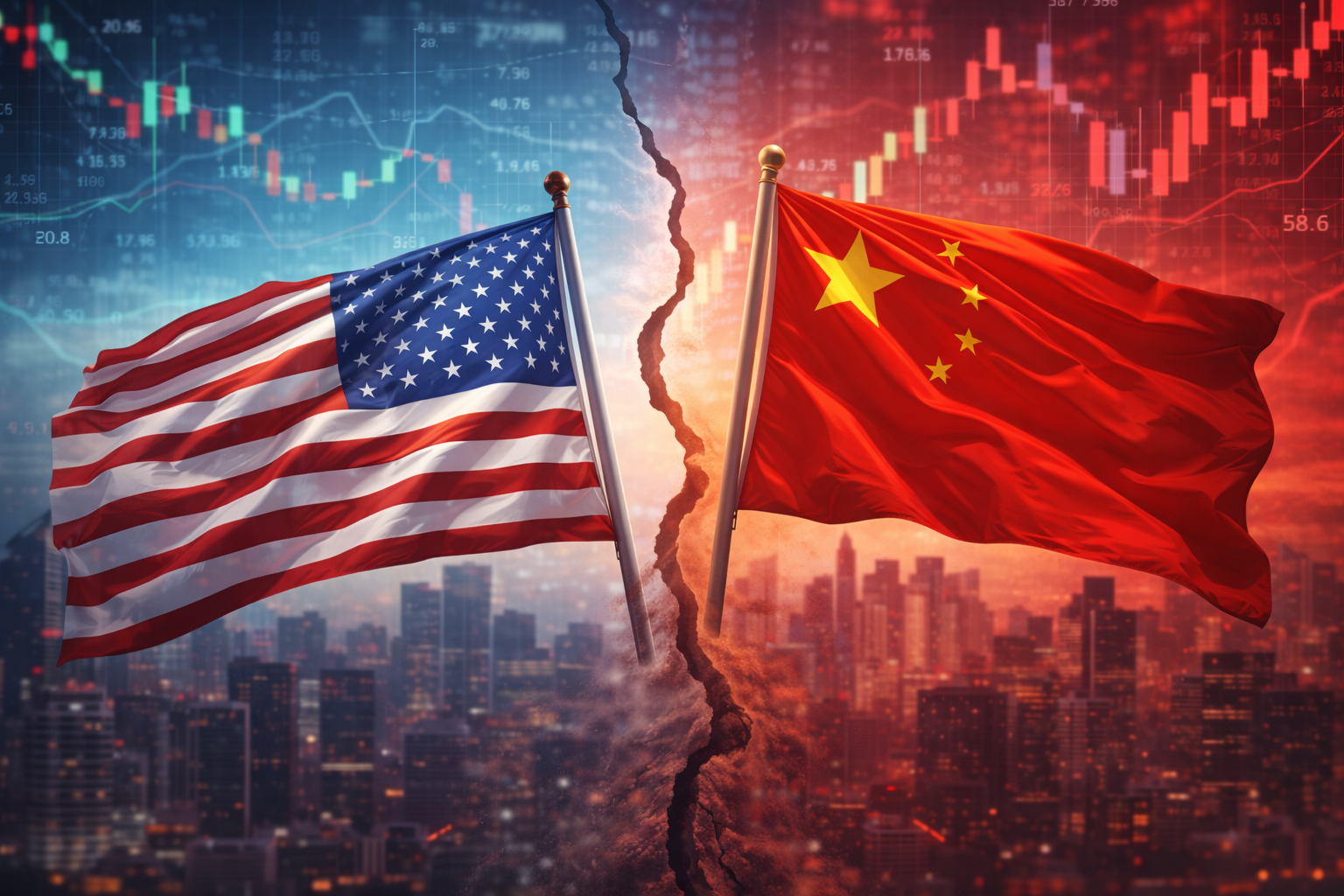
Renewed pressure from the United States on Chinese electric vehicle imports is bringing trade tensions back into focus, with markets beginning to reassess the potential impact on global manufacturing and supply chains. The move reflects growing concern among US policymakers about the rapid expansion of China’s electric vehicle industry and its influence on international competition.
At the center of this development is the strategic importance of the electric vehicle sector. As countries transition toward cleaner energy and transportation, control over production and supply chains has become a key economic priority. Chinese manufacturers have gained a strong position through scale, cost efficiency, and government support, allowing them to compete aggressively in global markets. This has raised concerns in the United States about domestic industry competitiveness and long term industrial security.
The pressure being applied is expected to take the form of stricter trade measures, including potential tariffs or regulatory barriers aimed at limiting the flow of Chinese electric vehicles into the US market. Even before formal policies are fully implemented, the signaling effect is already influencing market sentiment. Companies operating within the electric vehicle ecosystem are adjusting expectations, particularly those with exposure to international trade dynamics.
This situation has broader implications beyond the automotive sector. Trade restrictions can disrupt supply chains that rely on cross border components, affecting not only vehicle manufacturers but also suppliers of batteries, semiconductors, and raw materials. As uncertainty increases, businesses may begin to reconsider sourcing strategies, leading to shifts in production and investment decisions.
Investor sentiment is also being shaped by the possibility of escalation. Trade tensions between the United States and China have historically led to volatility across multiple asset classes, as markets attempt to price in potential outcomes. The current focus on electric vehicles adds a new dimension to that dynamic, given the sector’s importance to future economic growth and technological development.
Another key factor is the potential for retaliation. If trade measures are introduced, China may respond with its own policies, further complicating the global trade environment. This back and forth can create prolonged uncertainty, making it more difficult for companies to plan and for investors to assess long term risks.
Despite these challenges, the situation also highlights the growing importance of industrial policy in shaping market direction. Governments are increasingly willing to intervene in strategic sectors to protect domestic interests, which can lead to significant shifts in global competition.
Overall, the renewed pressure on Chinese electric vehicle imports is acting as a catalyst for broader market reassessment. As trade tensions re emerge, investors and businesses are being reminded of the powerful role that policy decisions play in shaping economic outcomes and market trends.
Terms in this article
Tariff
A tax on imported goods, paid by the importer.
Volatility
The size and speed of price changes, commonly measured as the annualised standard deviation of returns.
Price-to-earnings ratio (P/E)
Share price divided by earnings per share.
Ask about this story
Questions are answered only from this article and the sources it cites.
MarketAlleys provides news and analysis for information only; it is not investment advice or a recommendation to buy or sell any security. Markets involve risk. Risk disclaimer.
Was this useful?
Report an issue with this article
Get the Daily Brief
What moved, why, and what matters next — every morning.
Related coverage
IMF finds demand for tokenized stocks but calls market volatile and illiquid
CoinDesk reported Oct 11 that the IMF found demand for tokenized stocks and said the market remains volatile and illiquid; Yahoo also reported the item.
MarketAlleys Research Desk · · 3 min read
Week Ahead, Monday October 12: 19 events, 11 high-importance releases
This week features 19 upcoming events, including 15 earnings reports and 4 macro releases; 11 items are flagged high importance, led by major bank earnings and the US Consumer Price Index.
MarketAlleys Research Desk · · 6 min read

Trump Xi Meeting In Washington On A Trade Truce And AI Cooperation
The political tape this week is not another Iran post. It is a sitting president hosting the Chinese leader in Washington while markets already priced a quieter crude tape and a firmer dollar.
MarketAlleys Desk · · 2 min read

Warsh Hike Path Versus A White House That Does Not Want Tightening
The political tape into this Federal Reserve meeting is not a speech about oil. It is a collision between a chair who is boxed into a hike and a White House that has already shown it will not like the vote.
MarketAlleys Desk · · 2 min read