How the British pound reacts to shifting expectations around United Kingdom economic policy
MarketAlleys Desk
Published · 2 min read
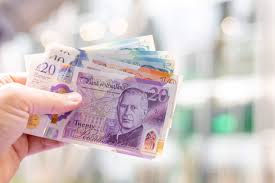

The British pound remains an important indicator of how markets interpret economic expectations within the United Kingdom. As policymakers communicate their views on long term stability and future strategic direction, investors respond with adjustments that influence currency movements. The pound often reflects the broader conversation about economic priorities, making it a key focus for analysts who follow international market trends.
A major factor affecting the pound is the ongoing discussion about the direction of national economic policy. Decisions related to growth strategies, fiscal planning and long term financial resilience influence the confidence of global participants. When policymakers introduce signals about possible adjustments, markets evaluate how these changes might shape the overall economic landscape. This evaluation directly influences how the pound behaves in relation to other currencies.
Investor expectations play a central role in this process. Currency strength or weakness often reflects how investors interpret future conditions. If the market believes that policy direction will support stability, the pound may respond with increased strength. When uncertainty arises, investors may become cautious, leading to shifts in sentiment. These reactions highlight how closely currency movements are tied to public communication and strategic planning within the United Kingdom.
Global conditions also shape how investors view the pound. The United Kingdom operates within an interconnected international environment, meaning that external developments can influence local currency expectations. When major economies discuss policy changes or reveal new strategic paths, investors compare these signals with the direction of United Kingdom policy. This comparison affects how capital flows move between regions and plays a role in shaping currency performance.
Trade relationships further influence the outlook. The United Kingdom continues to develop new partnerships and refine existing agreements. These discussions can affect how investors view the long term outlook for exports, imports and broader economic cooperation. When progress appears promising, the pound may reflect improved confidence. When discussions become more complex, markets may adopt a more cautious stance.
Communication from policymakers remains a crucial part of the overall picture. Investors respond not only to final decisions but also to statements, interviews and policy outlines. The way these messages are framed influences how markets interpret the future path. Clear communication tends to support stable sentiment, while unexpected shifts may create temporary uncertainty.
Long term structural considerations further shape the currency’s direction. Developments in sectors such as technology, services and manufacturing influence the broader economic foundation. As the United Kingdom continues to adapt to evolving global trends, the pound reflects how markets perceive these adjustments and their potential impact.
Overall the British pound responds to a complex mix of policy signals, investor expectations and global economic trends. Shifting perspectives on the future of United Kingdom economic planning continue to guide the actions of market participants. As discussions progress, the pound remains one of the clearest indicators of how confidence and expectations change over time.
Ask about this story
Questions are answered only from this article and the sources it cites.
MarketAlleys provides news and analysis for information only; it is not investment advice or a recommendation to buy or sell any security. Markets involve risk. Risk disclaimer.
Was this useful?
Report an issue with this article
Get the Daily Brief
What moved, why, and what matters next — every morning.
Related coverage

USD/KRW After The Won’s Best Session In A Month And A Firmer Dollar
USD/KRW is not trading a slogan about Asia. It is trading the won after its best session in a month against a dollar that is still firm into a Federal Reserve path and into a Washington meeting with Beijing.
MarketAlleys Desk · · 2 min read

GBP/USD After The United Kingdom CPI Print Into The Bank Of England Decision
GBP/USD is not trading a slogan about Britain. It is trading a consumer price print that landed one day before the Bank of England speaks and on the same day the Federal Reserve speaks. The pair is the residual of those two paths.
MarketAlleys Desk · · 2 min read

USD/JPY Into A Same Week Fed Hike And A Bank Of Japan Hike
USD/JPY is not trading a slogan about the yen. It is trading two policy meetings in one week. The Federal Reserve is priced to lean tighter after hotter core prices and a fuel shock.
MarketAlleys Desk · · 2 min read

USD/CAD After Canadian CPI And A Repriced Bank Of Canada Hike Path
USD/CAD is not trading a slogan about North America. It is trading a same week inflation print in Canada against a Federal Reserve meeting that the market already treats as a hike. Canadian consumer prices land first.
MarketAlleys Desk · · 2 min read