Oil Prices Climb as Supply Disruptions and Geopolitical Uncertainty Tighten Global Markets
MarketAlleys Desk
Published · 2 min read
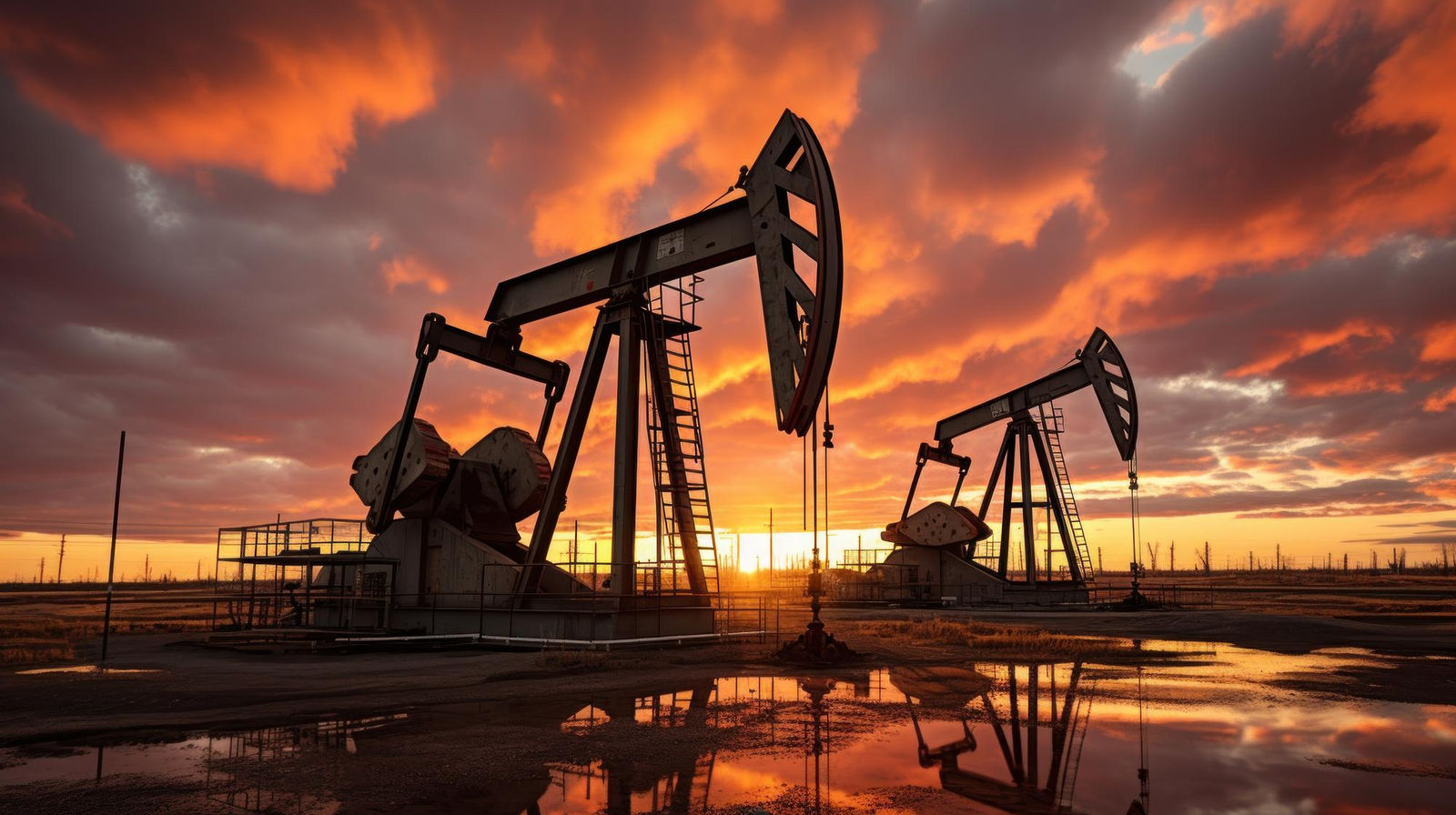
Oil markets are gaining upward momentum as supply disruptions and geopolitical uncertainty continue to tighten global conditions. With key producing regions facing instability and transport risks increasing, the balance between supply and demand is becoming more fragile, driving stronger market reactions.
The main driver behind this movement is the growing concern over supply availability. When production or transportation routes are threatened, even indirectly, markets respond quickly. Oil is highly sensitive to geopolitical developments, and uncertainty alone can create upward pressure as participants anticipate potential shortages.
This matters because oil is a foundational component of the global economy. Higher energy costs influence transportation, manufacturing, and overall economic activity. As prices rise, the impact extends across multiple sectors, contributing to inflationary pressure and affecting both businesses and consumers.
Another important factor is market sentiment. Traders often react not only to current conditions but also to perceived future risks. This forward-looking behavior can amplify price movements, especially when uncertainty remains unresolved. As a result, oil markets can experience strong momentum even without immediate supply disruptions.
Global demand dynamics are also playing a role. While economic growth is mixed, energy demand remains relatively stable, particularly in industrial and transportation sectors. When steady demand meets uncertain supply, the result is a tighter market environment that supports higher prices.
Inventory levels and strategic reserves add another layer to the situation. Countries may adjust reserves in response to geopolitical developments, but these measures are often temporary solutions. The underlying concern remains tied to sustained supply stability rather than short term adjustments.
There is also a broader macroeconomic implication. Rising oil prices can influence central bank policy by contributing to inflation. This creates a feedback loop where energy markets impact monetary decisions, which in turn affect broader financial conditions.
At the same time, the outlook remains highly dependent on geopolitical developments. Any signs of stabilisation or resolution could ease pressure on supply expectations, while further escalation would likely intensify current trends.
Overall, the upward movement in oil reflects a market driven by uncertainty and structural sensitivity to global events. As supply risks persist and demand remains steady, oil continues to play a central role in shaping the direction of global markets.
Terms in this article
Price-to-earnings ratio (P/E)
Share price divided by earnings per share.
Central bank
The institution that sets a country's or region's monetary policy, issues its currency and oversees the banking system — for example the Federal Reserve, European Central Bank, Bank of England and Bank of Japan.
Inflation
The rate at which the general level of prices rises over time, reducing what money can buy.
Ask about this story
Questions are answered only from this article and the sources it cites.
MarketAlleys provides news and analysis for information only; it is not investment advice or a recommendation to buy or sell any security. Markets involve risk. Risk disclaimer.
Was this useful?
Report an issue with this article
Get the Daily Brief
What moved, why, and what matters next — every morning.
Related coverage

Platinum After The Industrial Metals Bid And The Crude Fade
Platinum is not trading a slogan about jewelry. It is trading a metal that finally caught a bid while crude printed a sixth down session. Copper already had its tightness story. Gold and silver already had their yield stories.
MarketAlleys Desk · · 2 min read

Brent After The Yanbu Loadings Halt And Cancelled European Cargoes
Brent is not trading a slogan about the Gulf. It is trading a Red Sea hub that stopped lifting barrels and a set of European cargoes that Riyadh cancelled.
MarketAlleys Desk · · 2 min read

Iron Ore After China Industrial Production And Retail Sales Prints
Iron ore is not trading a slogan about China growth. It is trading two official prints that landed into a Federal Reserve week. Industrial production and retail sales are the demand tape for the steel chain.
MarketAlleys Desk · · 2 min read

US Diesel After The Saudi East West Pipeline Shutdown And A Record Pump Print
Diesel is not trading as a quieter cousin of crude. It is trading the product that households and truckers actually buy. A Saudi shutdown of the East West line took an alternative route off the map after attacks.
MarketAlleys Desk · · 2 min read