Federal Reserve's Policy Outlook: Balancing Inflation Concerns and Rate Cut Speculations
MarketAlleys Desk
Published · 2 min read
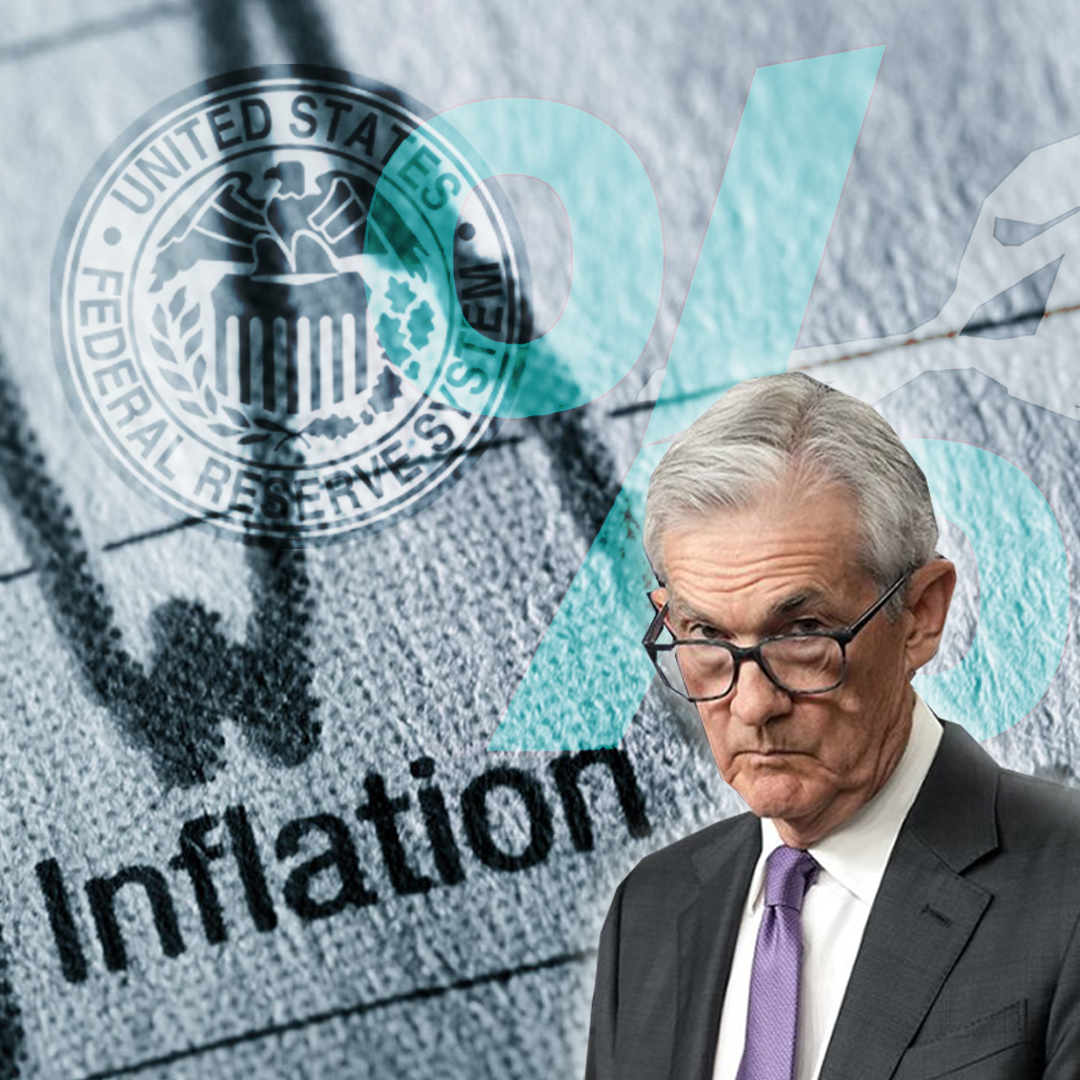
As of April 2024, the Federal Reserve finds itself at a critical juncture, balancing inflationary pressures against market expectations for interest rate cuts. Recent economic data and Fed Chair Jay Powell's statements shed light on the central bank's evolving stance.
Inflation Data and Market Sentiment
The latest inflation figures, as measured by the core Personal Consumption Expenditures (PCE) index, remained elevated at 2.8% year-over-year in March. This reading reinforces the Fed's cautious approach, indicating that near-term interest rate cuts are less likely. While the March reading matched February's level, it exceeded market expectations by a tenth of a percent.
Fed's Policy Outlook
Chair Powell's comments on the inflation reading signaled a departure from earlier expectations for rate cuts. He emphasized the need for "longer than expected" to achieve the confidence necessary to meet the Fed's 2% inflation target. This shift in tone suggests a higher-for-longer stance on interest rates, delaying potential rate cuts until later in the year.
Market Response
Market sentiment reflects this evolving outlook, with futures contracts indicating reduced expectations for rate cuts in the near term. While there's still a possibility of a rate cut in September, the likelihood has diminished. Investors have recalibrated their expectations, with predictions of a rate cut in July being scaled back.
Analyst Insights
Economists and analysts interpret the inflation data and Powell's remarks within the broader economic context. Some view the recent inflationary pressures as transitory, driven by housing-related prices and seasonality. However, others express concerns about a potential re-acceleration of inflation, complicating the Fed's policy outlook.
As the Fed navigates the complexities of inflation and market expectations, it remains committed to data-driven decision-making. While inflationary pressures persist, the central bank is cautious about signaling immediate rate cuts. The coming months will provide clarity on whether inflation trends warrant policy adjustments and how the Fed responds to evolving economic conditions.
In summary, the Fed's policy outlook remains finely balanced, with inflation concerns tempering market expectations for rate cuts in the near term.
Terms in this article
Federal Reserve (Fed)
The US central bank, with a dual mandate of maximum employment and stable prices.
Inflation
The rate at which the general level of prices rises over time, reducing what money can buy.
Central bank
The institution that sets a country's or region's monetary policy, issues its currency and oversees the banking system — for example the Federal Reserve, European Central Bank, Bank of England and Bank of Japan.
PCE price index
The Personal Consumption Expenditures price index, published monthly by the US Bureau of Economic Analysis.
Futures contract
A standardised, exchange-traded agreement to buy or sell an asset at a set price on a future date.
Ask about this story
Questions are answered only from this article and the sources it cites.
MarketAlleys provides news and analysis for information only; it is not investment advice or a recommendation to buy or sell any security. Markets involve risk. Risk disclaimer.
Was this useful?
Report an issue with this article
Get the Daily Brief
What moved, why, and what matters next — every morning.
Related coverage

GBP/USD Surge on 3.2% Inflation: BoE Rate Cuts in Question
UK inflation once again defied expectations as the Consumer Price Index rose 3.2% in October from 2.6% in September.
MarketAlleys Desk · · 4 min read

Breaking: UK CPI Inflation Surges to 2.3% in October, Exceeding Forecasts
According to the Office for National Statistics, inflation in the United Kingdom's Consumer Price Index accelerated to 2.3% in October from a forecast of 2.2% and well above September's 1.7%.
MarketAlleys Desk · · 1 min read
BOJ Review Policy: Japan's 25-Year Stimulus Experiment to Bid Adieu?
Japan's economic outlook now teeters at the cusp of a seismic shift as the Bank of Japan prepares the highly awaited findings on the effects of its monetary stimulus experiment that has been on for 25 years.
MarketAlleys Desk · · 4 min read

Dollar Climbs Against Yen as BOJ Keeps Rate Hike Timing Uncertain
The dollar was up 0.6% against the yen at 155.09 yen, following the BOJ Governor Kazuo Ueda repeating a gradual approach to rate hikes.
MarketAlleys Desk · · 3 min read