Impact of Tariffs on the Internet and E-Commerce Sector
Tariffs have long been a tool for governments to regulate trade and protect domestic industries, but their impact on the internet and e-commerce sector is often underestimated.
MarketAlleys Desk
Published · 2 min read
Introduction
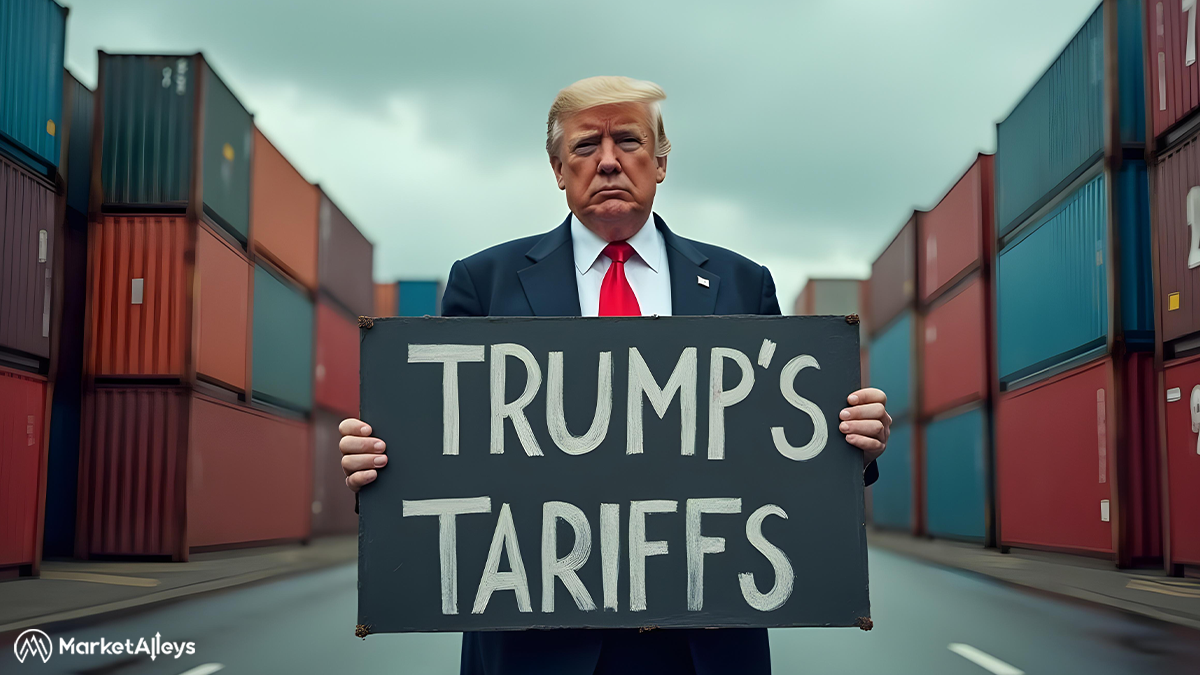
Tariffs have long been a tool for governments to regulate trade and protect domestic industries, but their impact on the internet and e-commerce sector is often underestimated. As global markets become more interconnected, trade policies can directly influence everything from online retail prices to supply chain efficiency. For businesses operating in the digital space, understanding how tariffs shape the landscape is essential for navigating economic uncertainty and maintaining growth.
Key Takeaways:
- Tariffs can increase costs for online retailers, leading to higher consumer prices.
- Supply chains for tech and digital goods are vulnerable to trade restrictions.
- E-commerce businesses may face challenges in maintaining competitive pricing globally.
How Tariffs Affect Online Retailers
When tariffs are imposed on imported goods, online retailers often feel the pinch. Many e-commerce platforms rely on global suppliers to source products at competitive prices. If tariffs raise the cost of imports, businesses are forced to either absorb the added expenses or pass them on to consumers. This can lead to reduced sales as shoppers look elsewhere for better deals, disrupting market dynamics and squeezing smaller retailers with tighter profit margins.
Supply Chain Disruptions in E-Commerce
The internet and e-commerce sector depends heavily on complex supply chains, often spanning multiple countries. Tariffs can disrupt these chains, causing delays, increasing logistics costs, and complicating inventory management. For instance, an online electronics store may face shipment bottlenecks and rising costs if components sourced from tariffed countries suddenly become more expensive or harder to obtain, impacting product availability and delivery times.
Shifts in Global Trade and Digital Markets
Tariffs don’t just influence physical goods — they can affect digital services too. Restrictions on tech imports or taxes on software licenses can hinder digital transformation for companies operating internationally. This can limit access to new markets, slow innovation, and make it harder for smaller players to compete globally. Businesses may need to rethink their strategies, localize production, or explore alternate markets to remain resilient.
Conclusion
The relationship between tariffs and the internet economy is complex, but understanding these dynamics is crucial for future-proofing digital businesses. While trade policies may shift, the global demand for e-commerce and digital services remains strong. By staying informed and adaptable, companies can mitigate tariff-related risks and continue to thrive in an evolving market landscape.
Terms in this article
Tariff
A tax on imported goods, paid by the importer.
Price-to-earnings ratio (P/E)
Share price divided by earnings per share.
Margin
The collateral a broker or exchange requires to open and keep a leveraged position.
Ask about this story
Questions are answered only from this article and the sources it cites.
MarketAlleys provides news and analysis for information only; it is not investment advice or a recommendation to buy or sell any security. Markets involve risk. Risk disclaimer.
Was this useful?
Report an issue with this article
Get the Daily Brief
What moved, why, and what matters next — every morning.
Related coverage
IMF finds demand for tokenized stocks but calls market volatile and illiquid
CoinDesk reported Oct 11 that the IMF found demand for tokenized stocks and said the market remains volatile and illiquid; Yahoo also reported the item.
MarketAlleys Research Desk · · 3 min read
Week Ahead, Monday October 12: 19 events, 11 high-importance releases
This week features 19 upcoming events, including 15 earnings reports and 4 macro releases; 11 items are flagged high importance, led by major bank earnings and the US Consumer Price Index.
MarketAlleys Research Desk · · 6 min read

Trump Xi Meeting In Washington On A Trade Truce And AI Cooperation
The political tape this week is not another Iran post. It is a sitting president hosting the Chinese leader in Washington while markets already priced a quieter crude tape and a firmer dollar.
MarketAlleys Desk · · 2 min read

Warsh Hike Path Versus A White House That Does Not Want Tightening
The political tape into this Federal Reserve meeting is not a speech about oil. It is a collision between a chair who is boxed into a hike and a White House that has already shown it will not like the vote.
MarketAlleys Desk · · 2 min read