Nickel Demand Trends as Battery Manufacturing and Electric Transport Production Expand
MarketAlleys Desk
Published · 2 min read
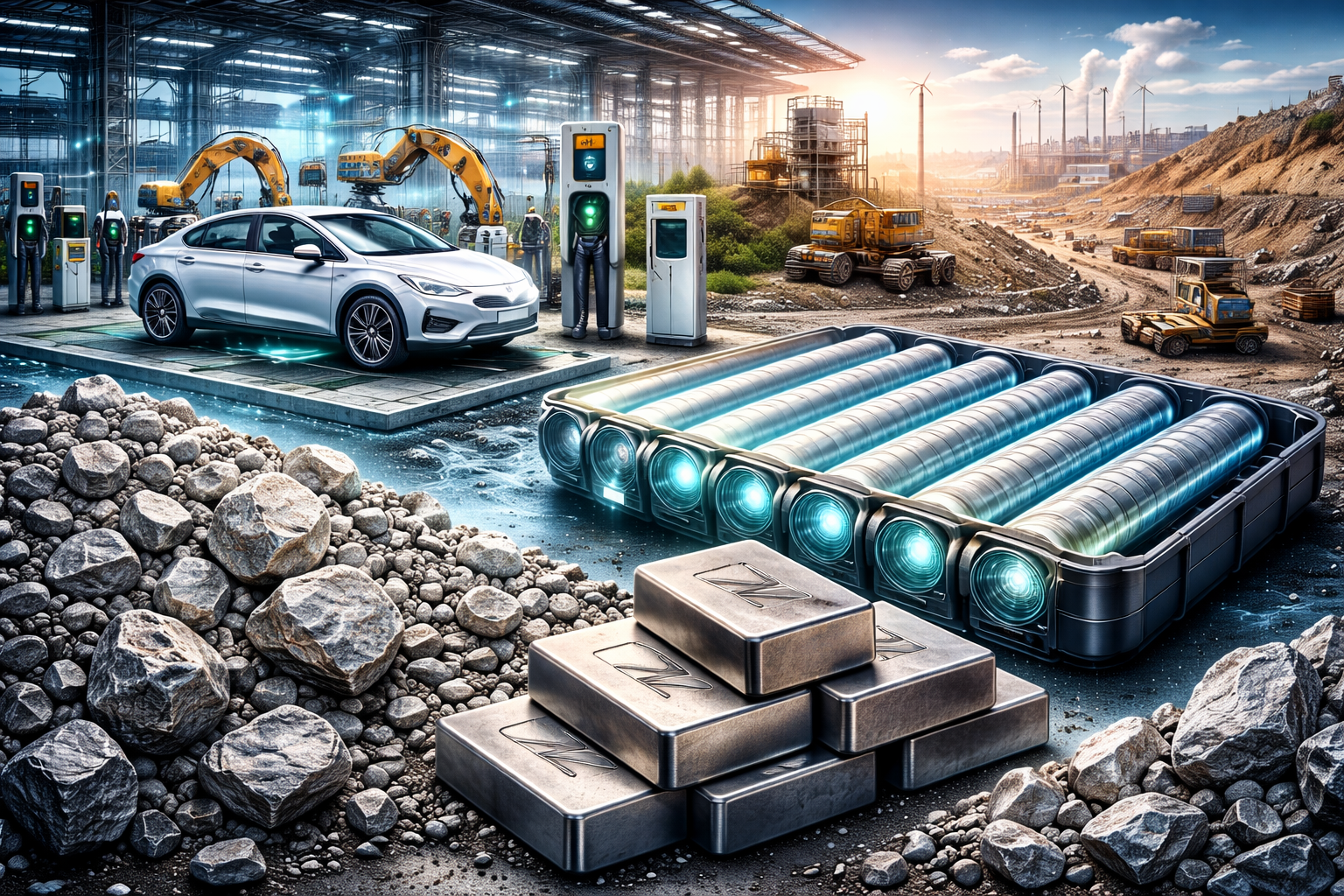
Nickel has become an increasingly important industrial metal as global manufacturing evolves alongside the expansion of electric transportation and advanced battery technologies. Traditionally used in stainless steel production and industrial alloys, nickel is now gaining additional attention due to its role in modern energy storage systems. As industries pursue more efficient energy solutions and transportation technologies, demand for nickel has become closely connected to developments in battery manufacturing.
Battery producers rely on specific metal combinations to improve energy storage capacity and performance. Nickel is widely used in battery chemistry because it helps increase energy density while maintaining durability over long operating cycles. These characteristics make it particularly valuable for applications where long lasting and efficient energy storage is essential. As battery technology continues to evolve, manufacturers often explore ways to optimize metal composition in order to improve overall performance.
Electric transport production has become a key driver of battery demand across global markets. Automakers and transportation manufacturers are investing heavily in new vehicle platforms designed to operate using advanced battery systems. As production capacity expands, the supply chain for battery materials has gained greater importance. Nickel producers and refiners therefore play a significant role in supporting the growing needs of the transportation sector.
Global mining activity remains an essential component of nickel supply. Several regions around the world maintain large reserves of nickel resources and contribute significantly to global production. As demand increases, mining companies and industrial processors are exploring ways to improve efficiency, expand refining capacity, and ensure stable supply for manufacturing industries that depend on the metal.
Supply chain resilience has also become a topic of discussion within the nickel market. Manufacturers often seek reliable access to critical materials in order to maintain stable production schedules. This has encouraged partnerships between mining companies, processing facilities, and industrial manufacturers working together to secure long term supply arrangements.
Looking ahead, the continued expansion of battery manufacturing and electric transport production is likely to remain an important factor influencing nickel demand. As industries invest in new technologies and infrastructure supporting advanced energy systems, nickel will continue to play a key role in the evolving landscape of global manufacturing and transportation.
Ask about this story
Questions are answered only from this article and the sources it cites.
MarketAlleys provides news and analysis for information only; it is not investment advice or a recommendation to buy or sell any security. Markets involve risk. Risk disclaimer.
Was this useful?
Report an issue with this article
Get the Daily Brief
What moved, why, and what matters next — every morning.
Related coverage

Platinum After The Industrial Metals Bid And The Crude Fade
Platinum is not trading a slogan about jewelry. It is trading a metal that finally caught a bid while crude printed a sixth down session. Copper already had its tightness story. Gold and silver already had their yield stories.
MarketAlleys Desk · · 2 min read

Brent After The Yanbu Loadings Halt And Cancelled European Cargoes
Brent is not trading a slogan about the Gulf. It is trading a Red Sea hub that stopped lifting barrels and a set of European cargoes that Riyadh cancelled.
MarketAlleys Desk · · 2 min read

Iron Ore After China Industrial Production And Retail Sales Prints
Iron ore is not trading a slogan about China growth. It is trading two official prints that landed into a Federal Reserve week. Industrial production and retail sales are the demand tape for the steel chain.
MarketAlleys Desk · · 2 min read
US Diesel After The Saudi East West Pipeline Shutdown And A Record Pump Print
Diesel is not trading as a quieter cousin of crude. It is trading the product that households and truckers actually buy. A Saudi shutdown of the East West line took an alternative route off the map after attacks.
MarketAlleys Desk · · 2 min read