Platinum Demand Trends as Hydrogen Technology and Automotive Manufacturing Expand
MarketAlleys Desk
Published · 2 min read
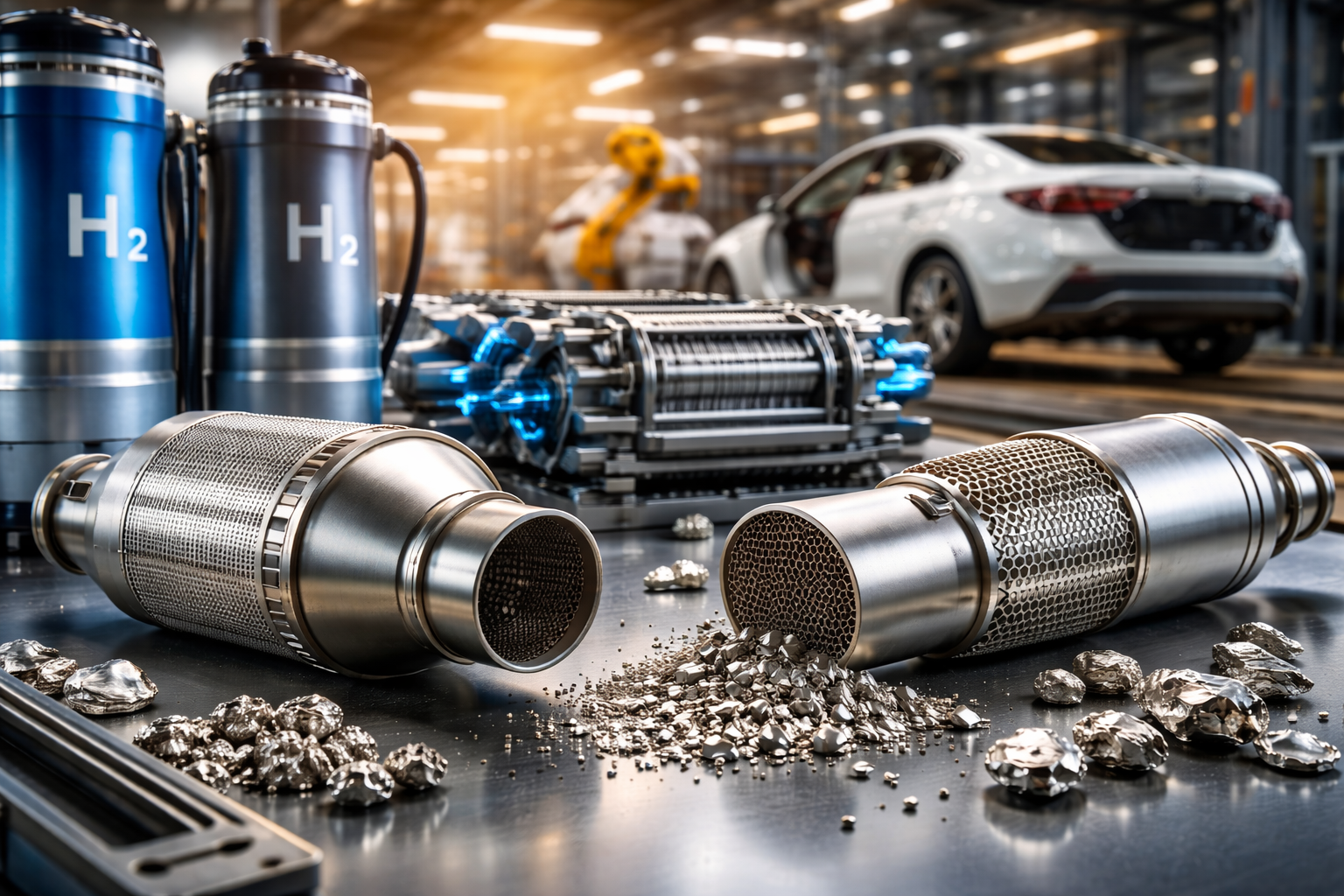
Platinum continues to play an important role in global commodity markets due to its wide range of industrial applications. The metal is particularly valued for its catalytic properties and resistance to corrosion, making it essential in both automotive manufacturing and emerging hydrogen energy technologies. As industries evolve and new technologies develop, platinum demand remains closely tied to shifts in manufacturing activity and energy innovation.
The automotive sector has traditionally been one of the largest consumers of platinum. The metal is widely used in catalytic converters, which help reduce harmful emissions from vehicles powered by internal combustion engines. Stricter environmental regulations across many regions have encouraged manufacturers to adopt advanced emission control technologies, increasing the importance of catalytic materials such as platinum in vehicle production.
At the same time, the development of hydrogen energy systems has introduced a new source of demand for the metal. Hydrogen fuel cells rely on platinum based catalysts to facilitate chemical reactions that generate electricity. As governments and private companies explore alternative energy solutions aimed at reducing carbon emissions, interest in hydrogen technologies has grown. This trend has the potential to strengthen long term demand for platinum as fuel cell infrastructure expands.
Supply conditions also influence platinum market dynamics. The majority of global platinum production is concentrated in a limited number of regions with rich mineral deposits. Mining operations in these areas must balance operational costs, environmental considerations, and logistical challenges when expanding output. Any disruptions in production or transportation can influence availability in international markets.
Industrial demand for platinum is also affected by broader economic activity. Manufacturing growth, technological innovation, and investment in clean energy infrastructure can all influence consumption patterns. When industrial output increases and new technologies gain adoption, platinum usage often rises as well.
Looking ahead, the combination of automotive manufacturing requirements and the growing interest in hydrogen energy solutions may continue to shape platinum demand. As industries adapt to environmental goals and technological progress, the metal is likely to remain an important component within both traditional manufacturing and emerging energy systems.
Ask about this story
Questions are answered only from this article and the sources it cites.
MarketAlleys provides news and analysis for information only; it is not investment advice or a recommendation to buy or sell any security. Markets involve risk. Risk disclaimer.
Was this useful?
Report an issue with this article
Get the Daily Brief
What moved, why, and what matters next — every morning.
Related coverage

Platinum After The Industrial Metals Bid And The Crude Fade
Platinum is not trading a slogan about jewelry. It is trading a metal that finally caught a bid while crude printed a sixth down session. Copper already had its tightness story. Gold and silver already had their yield stories.
MarketAlleys Desk · · 2 min read

Brent After The Yanbu Loadings Halt And Cancelled European Cargoes
Brent is not trading a slogan about the Gulf. It is trading a Red Sea hub that stopped lifting barrels and a set of European cargoes that Riyadh cancelled.
MarketAlleys Desk · · 2 min read

Iron Ore After China Industrial Production And Retail Sales Prints
Iron ore is not trading a slogan about China growth. It is trading two official prints that landed into a Federal Reserve week. Industrial production and retail sales are the demand tape for the steel chain.
MarketAlleys Desk · · 2 min read

US Diesel After The Saudi East West Pipeline Shutdown And A Record Pump Print
Diesel is not trading as a quieter cousin of crude. It is trading the product that households and truckers actually buy. A Saudi shutdown of the East West line took an alternative route off the map after attacks.
MarketAlleys Desk · · 2 min read