Trump Administration Rejects Latest Iranian Counterproposal in Nuclear Talks
MarketAlleys Desk
Published · 2 min read
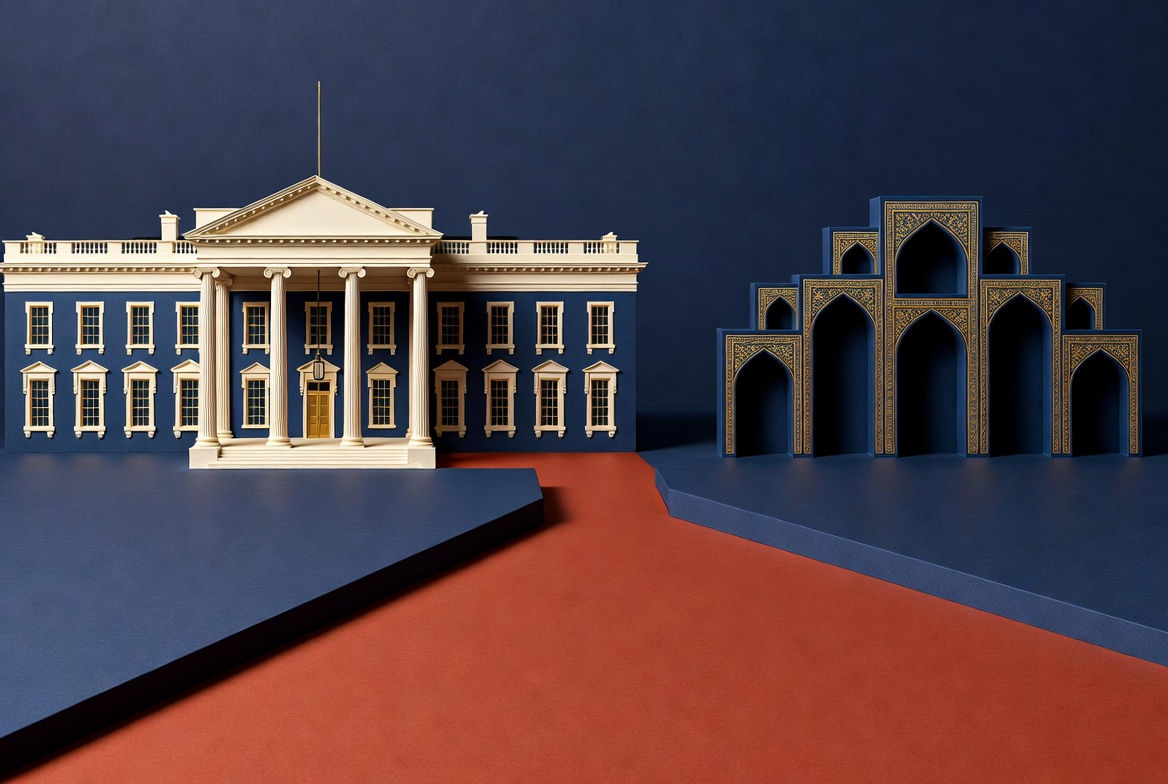
The Trump administration has rejected the latest counterproposal from Iran in the ongoing nuclear negotiations. This decision marks a significant setback in diplomatic efforts and has heightened uncertainty across global markets.
Senior officials stated that the Iranian response failed to address core concerns regarding uranium enrichment levels and regional proxy activities. The administration emphasized that any agreement must include robust verification mechanisms and verifiable limits on Irans nuclear capabilities. This firm rejection signals that the United States remains unwilling to accept what it views as insufficient concessions from the Iranian side.
The latest round of indirect talks had raised cautious hopes for progress after weeks of intensive negotiations. However the gap between the two positions appears to have widened rather than narrowed. Iranian officials expressed disappointment with the American response while maintaining that their proposal represented a serious effort to reach a mutually acceptable outcome. This exchange has returned the negotiations to a more confrontational tone.
Market participants are closely monitoring the situation because renewed deadlock increases the risk of escalation in the Middle East. Energy traders in particular have become more cautious as the prospect of a diplomatic breakthrough has diminished. The development has also contributed to renewed focus on potential disruptions to oil flows through critical regional waterways.
The administration has indicated that it will continue diplomatic channels while preparing contingency measures. Officials have stressed the importance of maintaining strong pressure on Iran until meaningful concessions are made. This approach reflects the view that only a comprehensive and enforceable agreement can deliver lasting stability in the region.
Broader implications extend to investor sentiment and risk assessments across multiple asset classes. Persistent uncertainty surrounding the nuclear issue tends to support defensive positioning while complicating long term planning for businesses with exposure to the Middle East. Many market observers now expect elevated volatility until the diplomatic picture becomes clearer.
The coming days will be critical as both sides assess their next steps following this latest impasse. The administration has left open the possibility of further discussions but has made clear that the current Iranian proposal falls well short of acceptable standards. How Iran responds to this rejection will likely determine whether the negotiations regain momentum or enter a more prolonged period of tension.
This development underscores the complex challenges involved in reaching a durable agreement on the Iranian nuclear program. Market participants will continue to weigh the probability of escalation against the potential for renewed diplomatic engagement as events unfold in the days ahead.
Terms in this article
Volatility
The size and speed of price changes, commonly measured as the annualised standard deviation of returns.
Ask about this story
Questions are answered only from this article and the sources it cites.
MarketAlleys provides news and analysis for information only; it is not investment advice or a recommendation to buy or sell any security. Markets involve risk. Risk disclaimer.
Was this useful?
Report an issue with this article
Get the Daily Brief
What moved, why, and what matters next — every morning.
Related coverage
IMF finds demand for tokenized stocks but calls market volatile and illiquid
CoinDesk reported Oct 11 that the IMF found demand for tokenized stocks and said the market remains volatile and illiquid; Yahoo also reported the item.
MarketAlleys Research Desk · · 3 min read
Week Ahead, Monday October 12: 19 events, 11 high-importance releases
This week features 19 upcoming events, including 15 earnings reports and 4 macro releases; 11 items are flagged high importance, led by major bank earnings and the US Consumer Price Index.
MarketAlleys Research Desk · · 6 min read

Trump Xi Meeting In Washington On A Trade Truce And AI Cooperation
The political tape this week is not another Iran post. It is a sitting president hosting the Chinese leader in Washington while markets already priced a quieter crude tape and a firmer dollar.
MarketAlleys Desk · · 2 min read

Warsh Hike Path Versus A White House That Does Not Want Tightening
The political tape into this Federal Reserve meeting is not a speech about oil. It is a collision between a chair who is boxed into a hike and a White House that has already shown it will not like the vote.
MarketAlleys Desk · · 2 min read