US Tariff Policy Effects On Technology Supply Chains
MarketAlleys Desk
Published · 2 min read
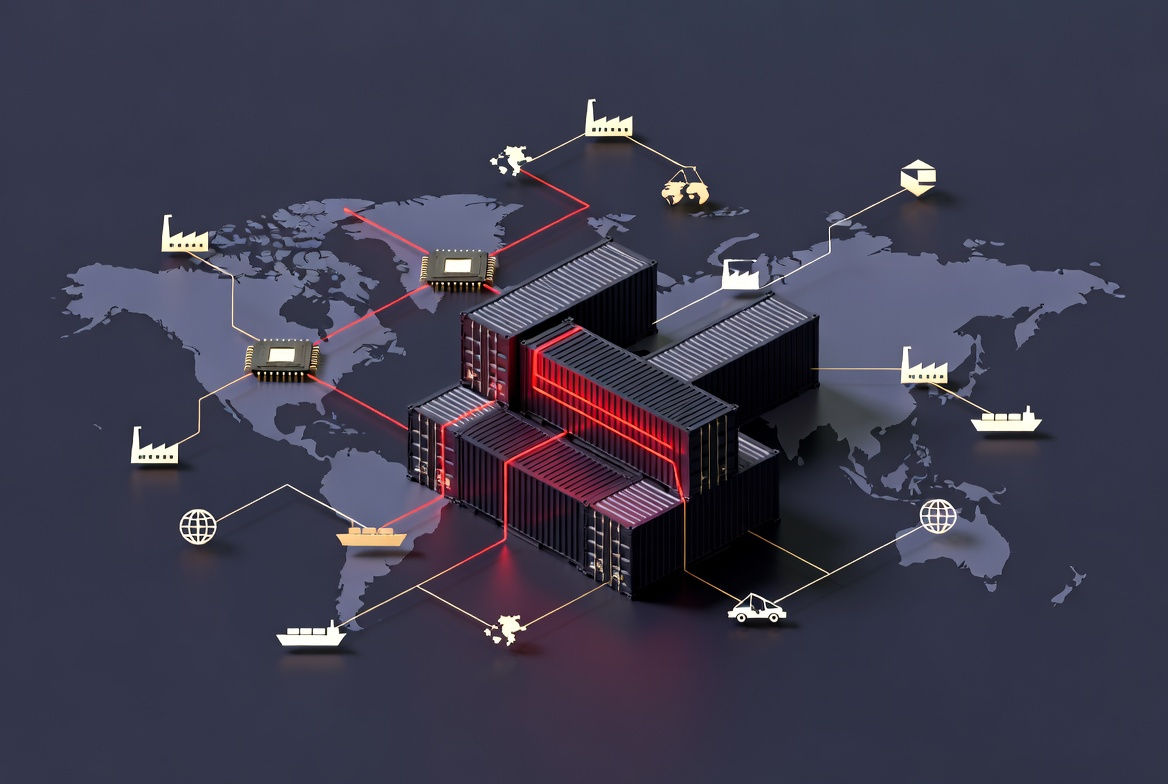
The United States tariff policy continues to significantly influence technology supply chains worldwide. Ongoing adjustments in trade measures particularly targeting key components and advanced manufacturing have prompted companies to reassess their sourcing strategies and long term operational planning.
These policy developments have encouraged many technology firms to accelerate efforts toward supply chain diversification. Businesses that previously relied heavily on concentrated production hubs are now actively exploring alternative suppliers across different regions. This shift aims to reduce vulnerability to sudden changes in trade conditions and support greater resilience in the face of geopolitical tensions.
The technology sector remains especially sensitive to these tariff measures given the complex global networks involved in semiconductor production advanced electronics and related equipment. Companies are investing in nearshoring and friendshoring initiatives to bring critical stages of manufacturing closer to key markets or more stable trading partners. Such moves require substantial capital and time but are viewed as essential for maintaining operational continuity.
Market participants note that tariff policy has also stimulated increased domestic investment in technology infrastructure within the United States. Several major players have announced plans to expand local production capacity for semiconductors and supporting technologies. This trend aligns with broader national security objectives and aims to strengthen self reliance in strategic areas.
However the transition process presents challenges for supply chain managers. Adjusting established supplier relationships coordinating new logistics routes and ensuring quality standards across dispersed operations demand careful execution. Some firms report temporary disruptions during the realignment phase while others highlight opportunities for innovation in supply chain management practices.
The effects extend beyond United States based companies to international partners integrated into global technology value chains. Nations in Asia and Europe that serve as important links in these networks are adapting to the new trade environment by strengthening regional cooperation and exploring fresh market access arrangements.
Overall the US tariff policy continues to drive meaningful restructuring across technology supply chains. While creating short term complexities the measures are pushing the industry toward more diversified and robust operational models. Companies that navigate this environment effectively stand to gain greater stability and competitive advantage in the evolving global landscape.
Terms in this article
Tariff
A tax on imported goods, paid by the importer.
Diversification
Spreading capital across assets whose prices do not move in lockstep, so that a loss in one holding has less effect on the whole portfolio.
Ask about this story
Questions are answered only from this article and the sources it cites.
MarketAlleys provides news and analysis for information only; it is not investment advice or a recommendation to buy or sell any security. Markets involve risk. Risk disclaimer.
Was this useful?
Report an issue with this article
Get the Daily Brief
What moved, why, and what matters next — every morning.
Related coverage
IMF finds demand for tokenized stocks but calls market volatile and illiquid
CoinDesk reported Oct 11 that the IMF found demand for tokenized stocks and said the market remains volatile and illiquid; Yahoo also reported the item.
MarketAlleys Research Desk · · 3 min read
Week Ahead, Monday October 12: 19 events, 11 high-importance releases
This week features 19 upcoming events, including 15 earnings reports and 4 macro releases; 11 items are flagged high importance, led by major bank earnings and the US Consumer Price Index.
MarketAlleys Research Desk · · 6 min read

Trump Xi Meeting In Washington On A Trade Truce And AI Cooperation
The political tape this week is not another Iran post. It is a sitting president hosting the Chinese leader in Washington while markets already priced a quieter crude tape and a firmer dollar.
MarketAlleys Desk · · 2 min read

Warsh Hike Path Versus A White House That Does Not Want Tightening
The political tape into this Federal Reserve meeting is not a speech about oil. It is a collision between a chair who is boxed into a hike and a White House that has already shown it will not like the vote.
MarketAlleys Desk · · 2 min read